
When Should You Consult a Vascular Surgeon?
Recognise common symptoms that may need a specialist vascular evaluation.

Dr. Hari Chandana Pragna Sree Mukkamala
Consult Dr. Pragna, a vascular surgeon in Hyderabad, for specialist evaluation and treatment of varicose veins, arterial blockages, diabetic foot wounds, deep vein thrombosis, dialysis access problems and other vascular conditions.
Every plan begins with consultation, clinical examination and appropriate vascular imaging.
Vascular problems may present as visible veins, leg pain, swelling, non-healing wounds or changes in limb colour and temperature.
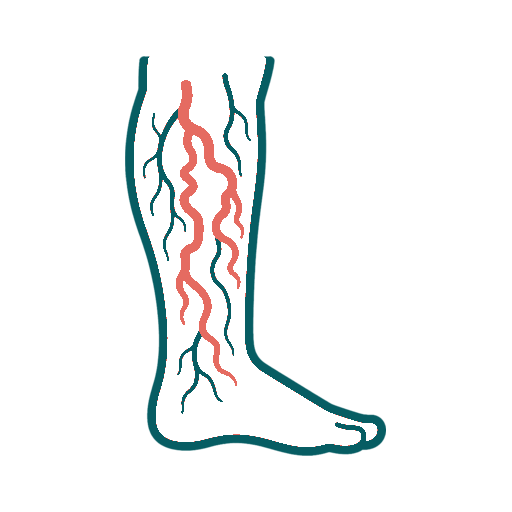
Aching, heaviness, itching, cramps or prominent veins may be associated with varicose veins or venous insufficiency.
Explore Varicose Veins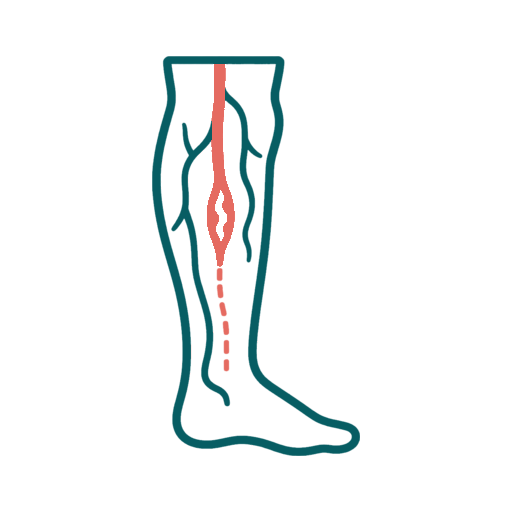
Recurring calf or thigh pain while walking may be associated with reduced arterial blood flow.
Understand Artery Blockage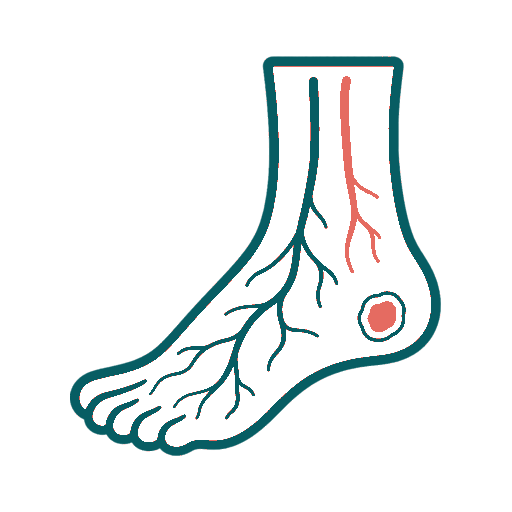
A wound that is slow to heal may need assessment for diabetes, infection or reduced circulation.
Explore Diabetic Foot Care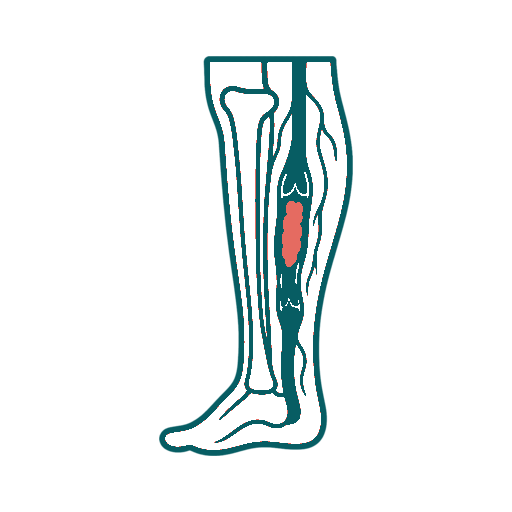
Unexplained swelling, pain, tenderness or warmth may need prompt evaluation for deep vein thrombosis.
Learn About DVT
A sudden change in temperature, colour, sensation or movement may require urgent vascular assessment.
View Limb-Salvage Care
Reduced flow, swelling, prolonged bleeding or access failure requires vascular evaluation.
Explore Dialysis Access Care
Long-standing swelling may be related to venous insufficiency, previous DVT or lymphedema.
Understand Leg Swelling
Painful or enlarging vascular birthmarks may need specialist assessment.
Explore Vascular MalformationsExplore common artery, vein, diabetic-foot, dialysis-access and circulation problems. Every icon below represents the condition shown.
Bulging or twisted leg veins that may cause aching, heaviness, itching, cramps or skin changes.
Learn MoreA blood clot in a deep vein that may cause sudden swelling, pain, tenderness or warmth.
Learn More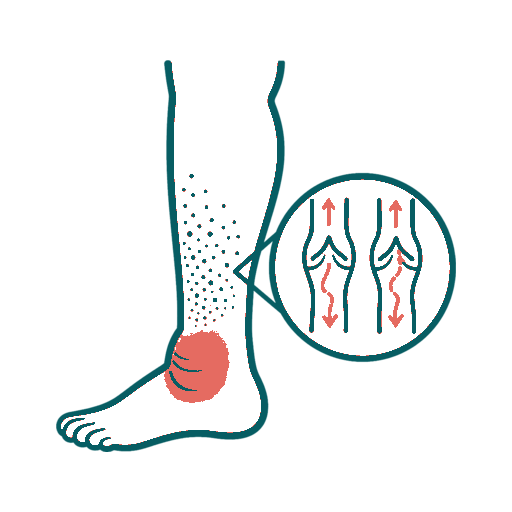
Poor venous return that may lead to swelling, pigmentation, skin changes and leg ulcers.
Learn MoreReduced blood flow to the limbs that may cause walking pain, cold feet or non-healing wounds.
Learn MoreFoot wounds, infection and circulation problems affecting people with diabetes.
Learn More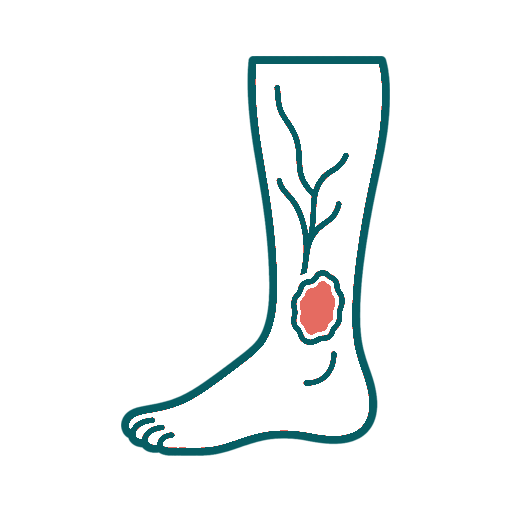
Persistent wounds that may be caused by venous disease, arterial disease, diabetes or mixed conditions.
Learn MoreLong-term swelling caused by impaired movement of lymphatic fluid.
Learn MoreAssessment, creation and management of AV fistula and other dialysis-access problems.
Learn More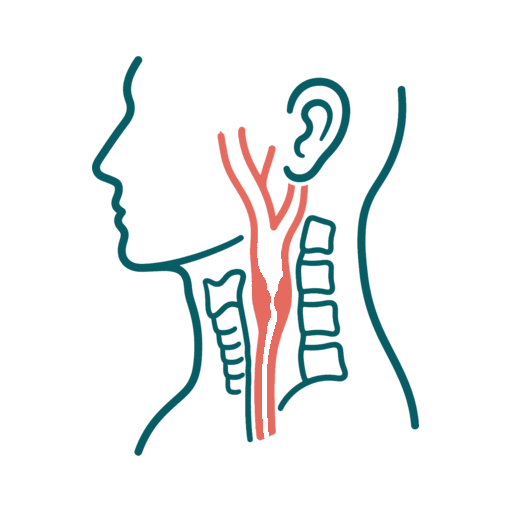
Narrowing of the arteries in the neck that may increase the risk of stroke.
Learn More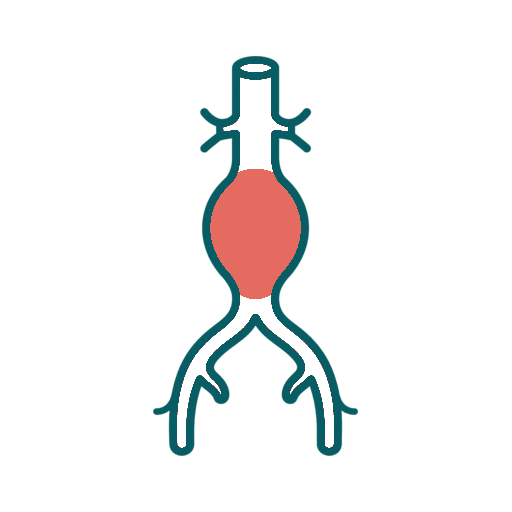
Abnormal enlargement of the aorta that may require monitoring or treatment.
Learn More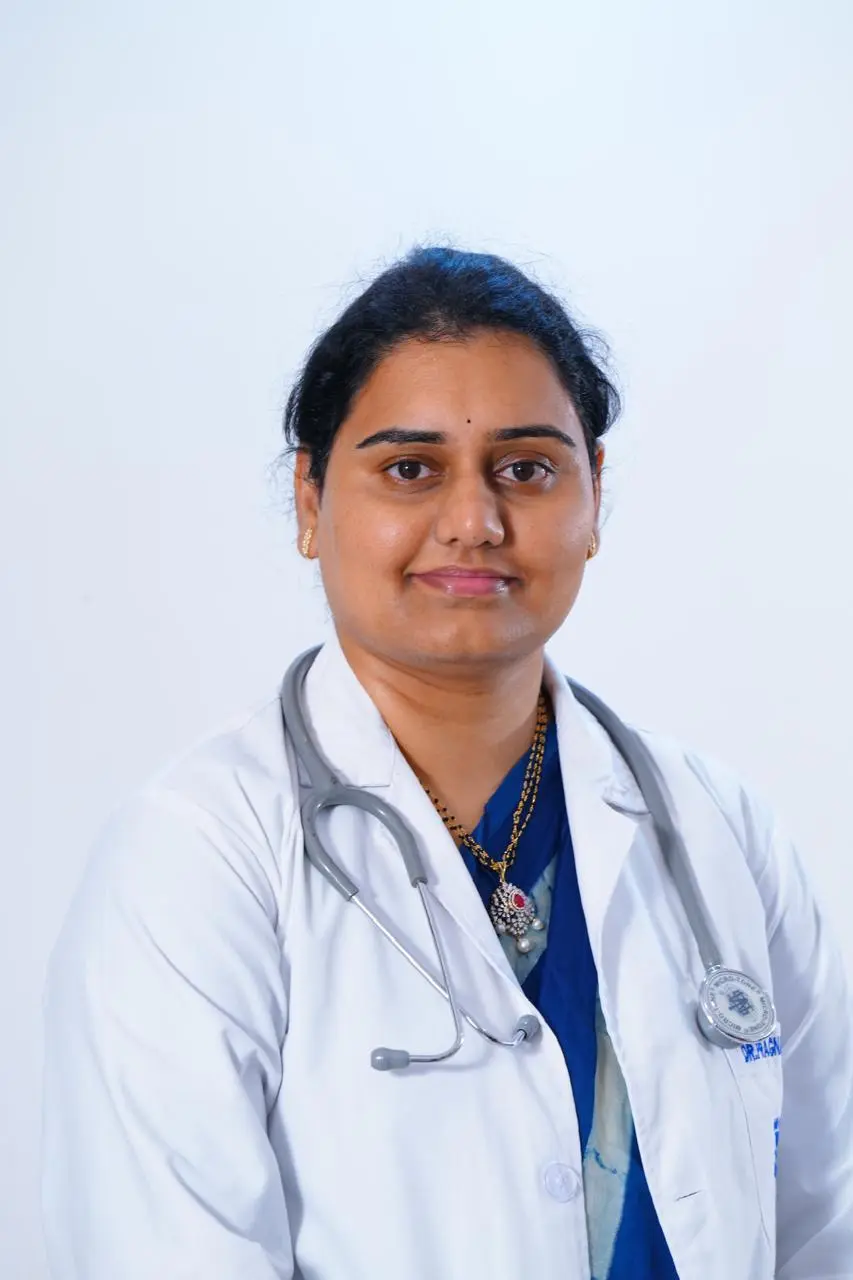
Consultant Vascular & Endovascular Surgeon
Dr. Hari Chandana Pragna Sree Mukkamala is a vascular and endovascular surgeon trained in evaluating and treating conditions affecting arteries, veins and circulation.
She completed her MBBS, followed by MS in General Surgery and DNB in Vascular Surgery. Her clinical approach focuses on careful evaluation, appropriate vascular imaging and clear discussion of medical, minimally invasive and surgical treatment options.
Evaluation is focused on the condition, circulation and long-term health, not on promoting one technique.
Evaluation of artery, vein, wound, swelling and circulation-related concerns.

Treatment is selected according to the condition and individual clinical findings.
Vascular tests help identify the location, type and severity of the disease.

Recovery, medicines, wound care, circulation and recurrence prevention are reviewed.
Depending on the condition, evaluation may involve a vascular examination and appropriate non-invasive or advanced imaging.
Assesses blood flow and possible narrowing in limb arteries.

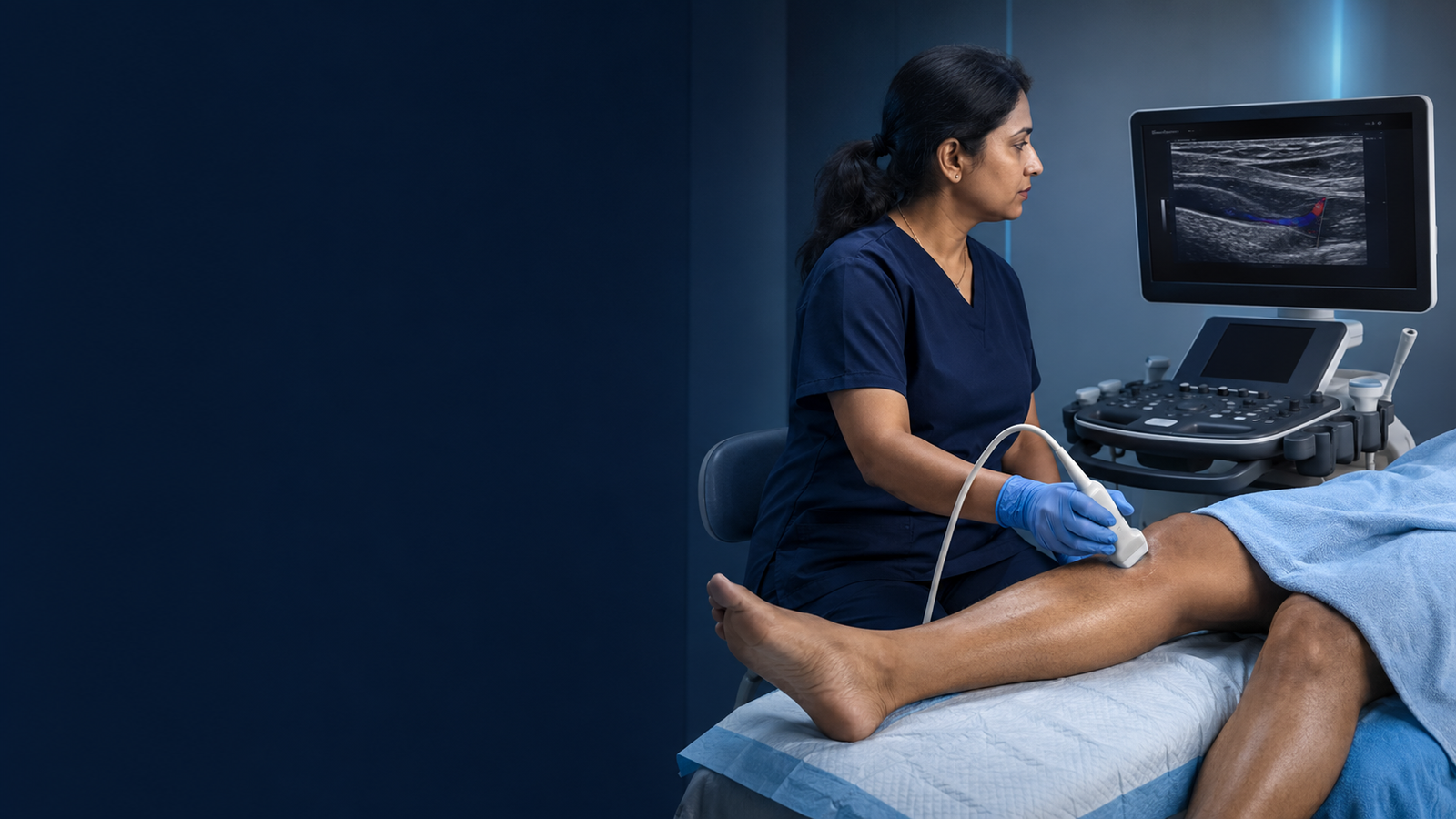
Evaluates veins for reflux, obstruction and blood clots.
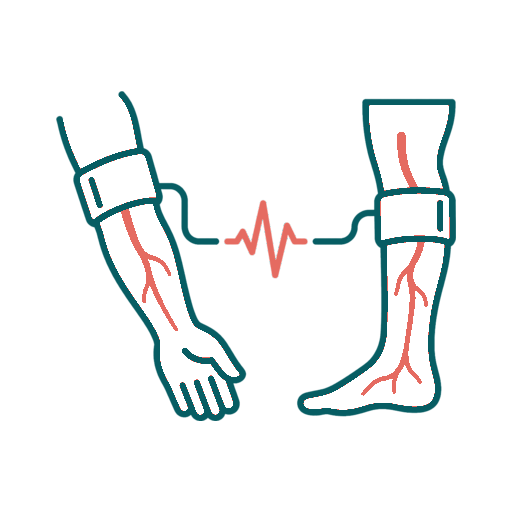
Compares arm and ankle pressure to screen limb circulation.
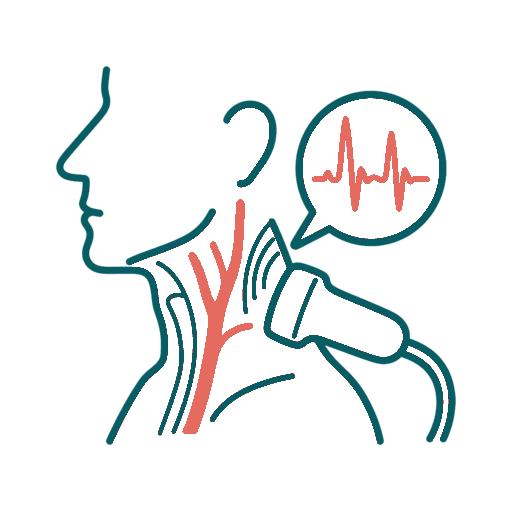
Examines blood flow through the arteries in the neck.

Supports AV fistula planning and access assessment.
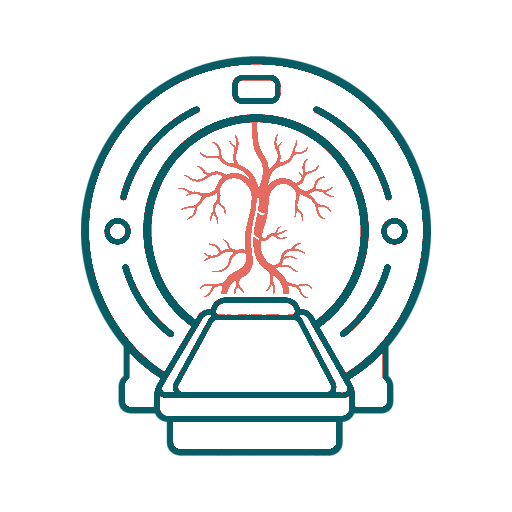
Detailed imaging may be advised when clinically appropriate.
Clear, practical information to help you recognise symptoms, prepare for a consultation and care for your circulation.
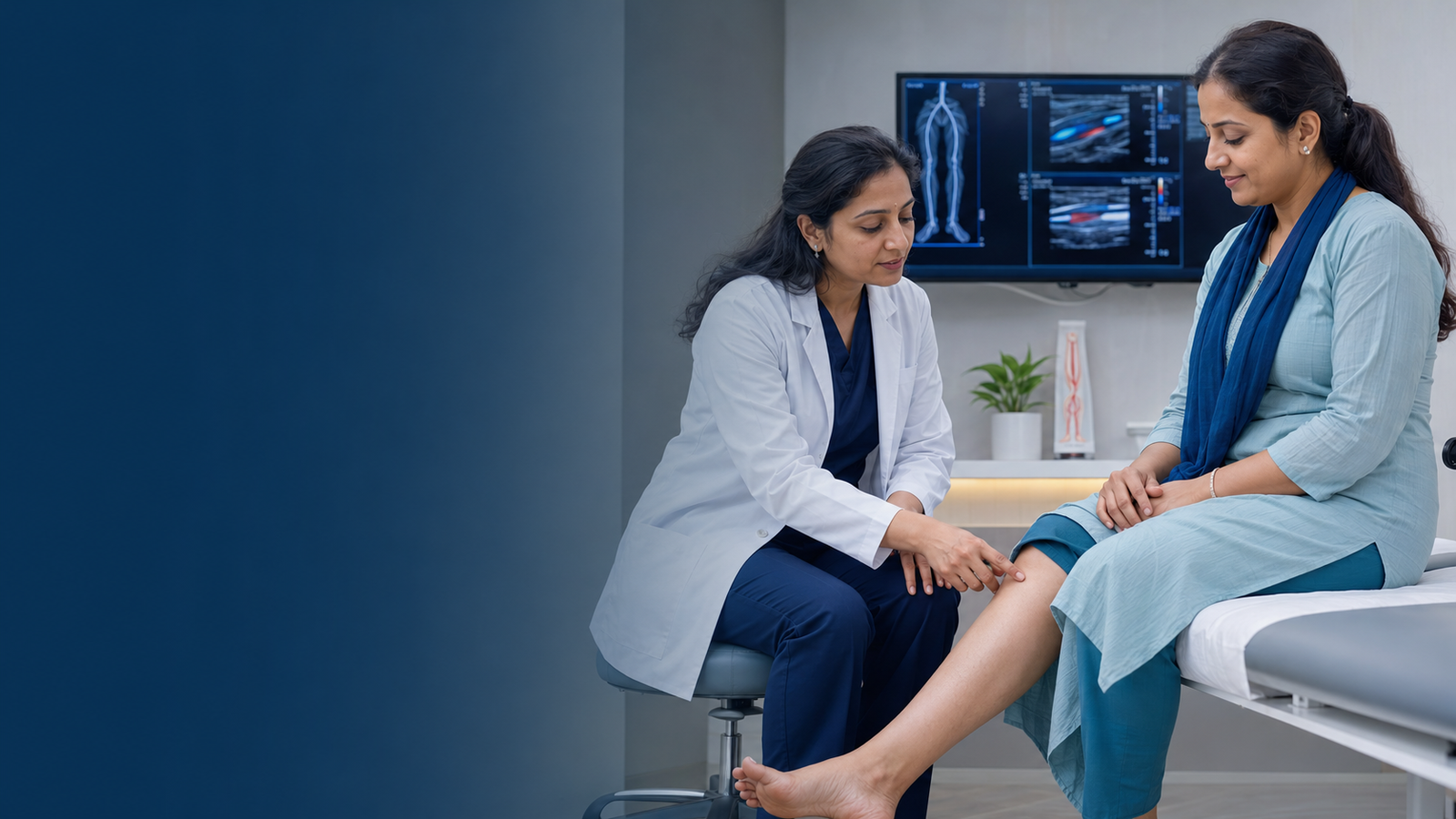
Recognise common symptoms that may need a specialist vascular evaluation.
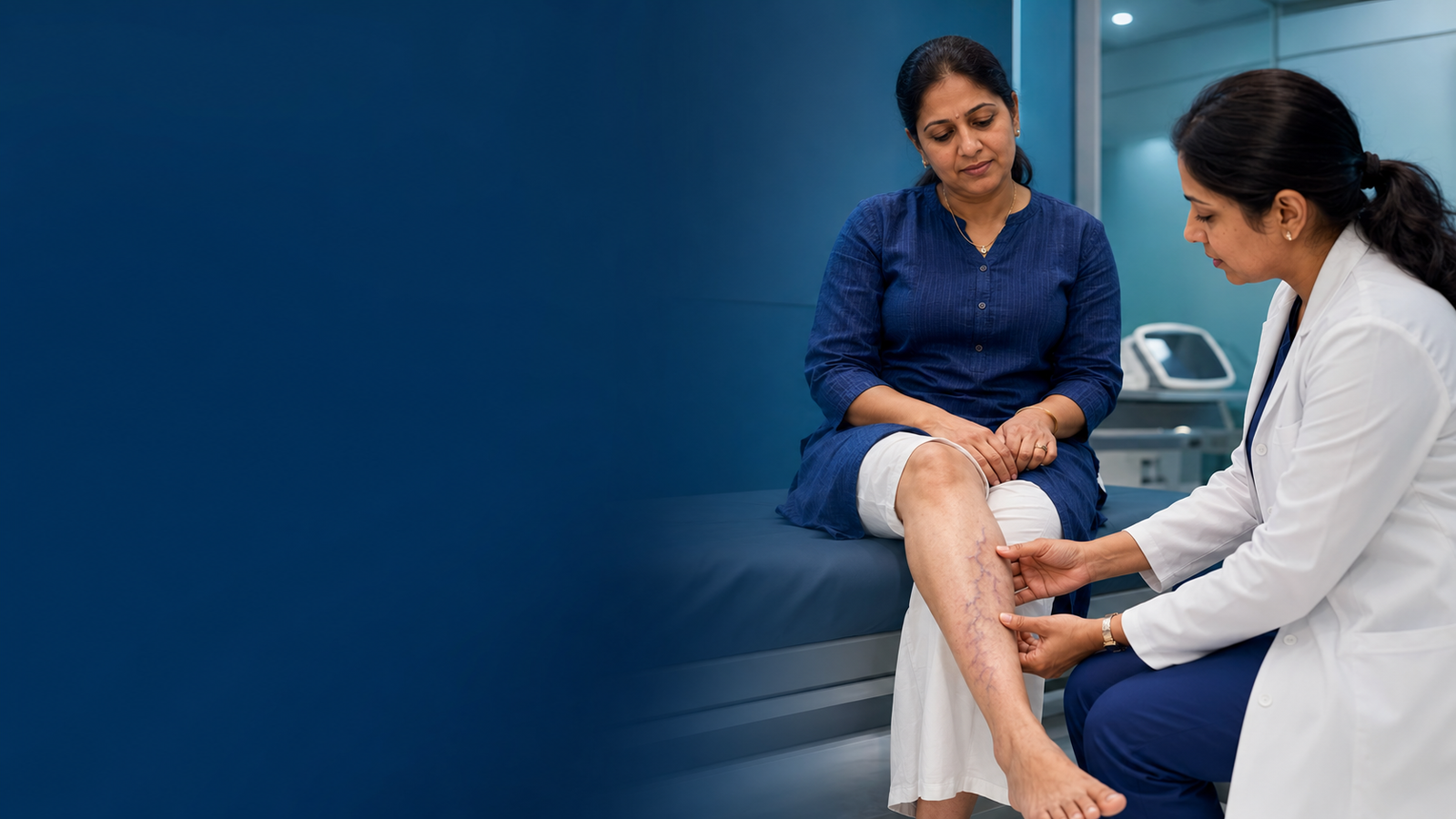
Understand when visible veins can be linked to pain, swelling or skin changes.
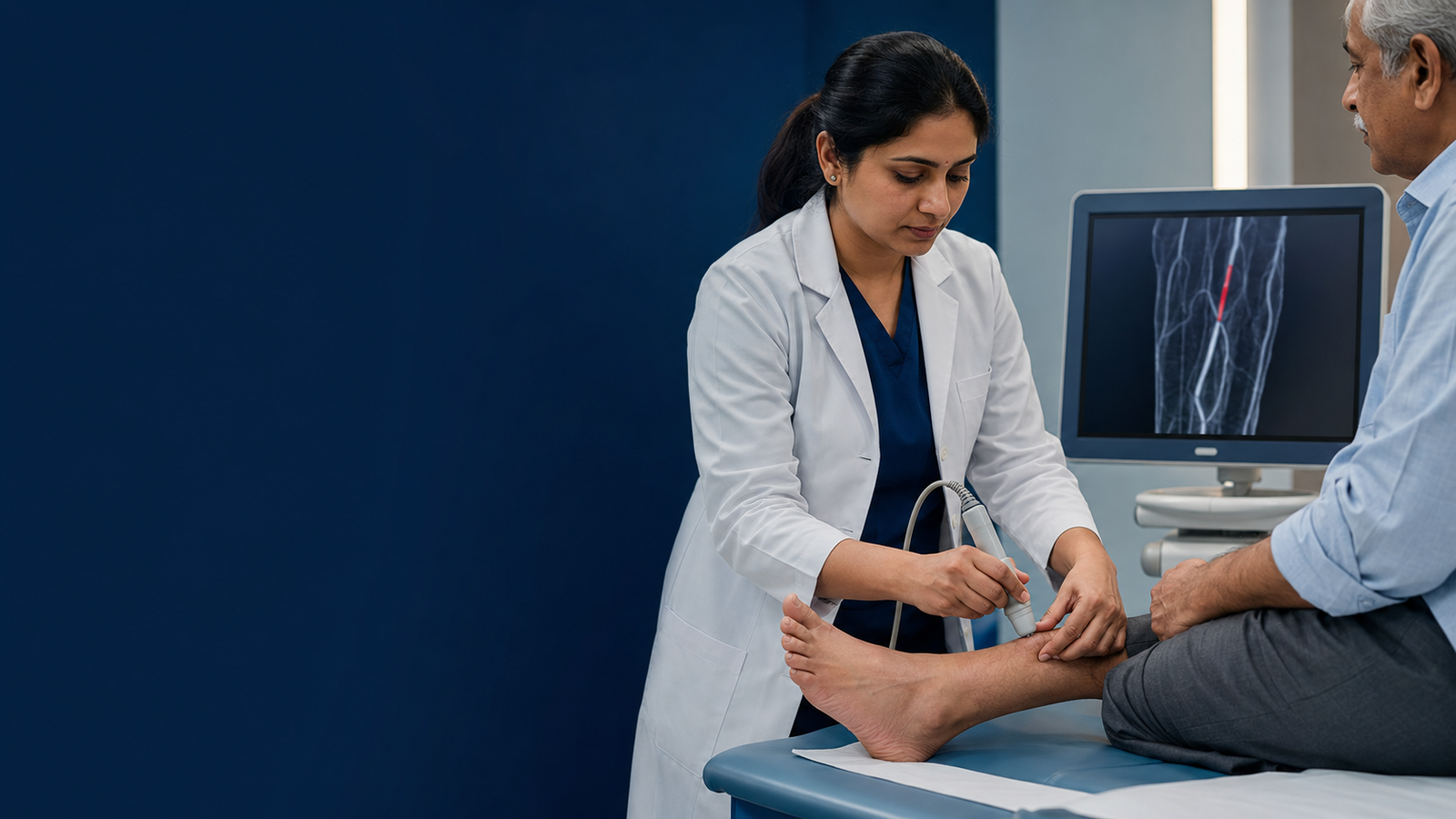
Learn about walking pain, cold feet, colour change and wounds that heal slowly.
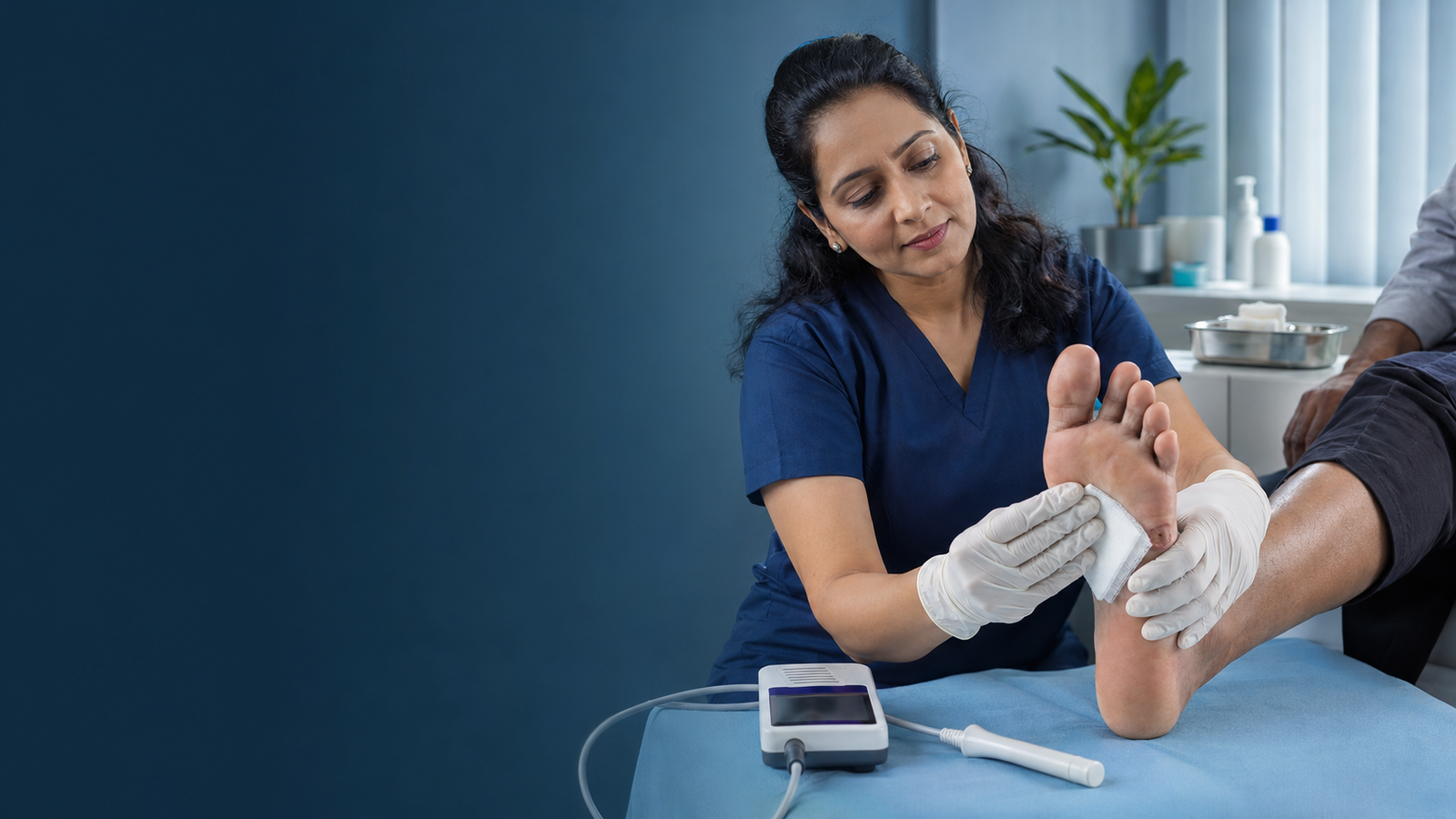
Practical steps that help protect the feet and identify concerns early.
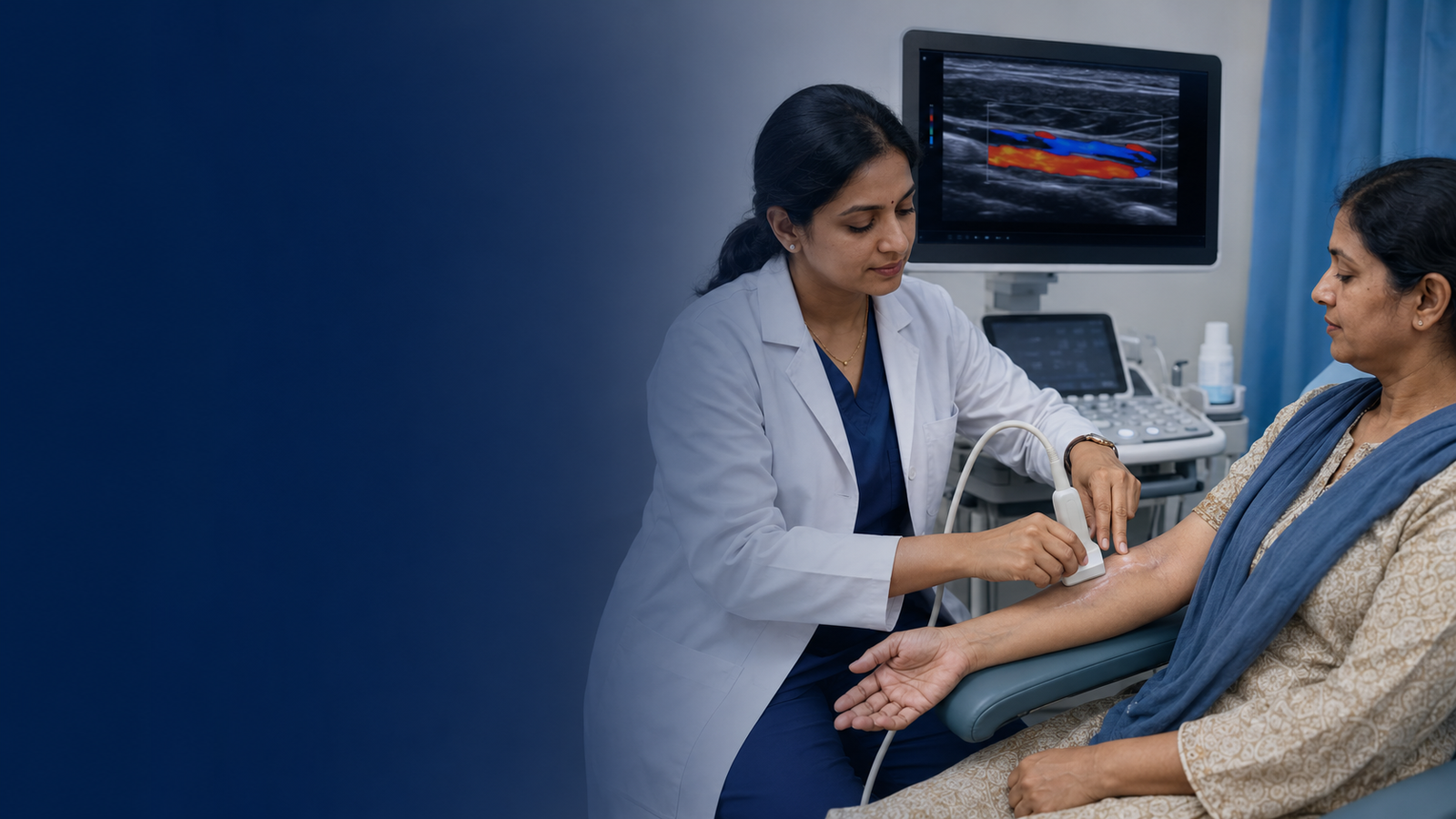
Know what to check and when reduced flow or bleeding needs attention.
A patient-friendly guide to symptoms, evaluation and treatment planning.
Persistent leg pain, swelling, visible veins, a non-healing wound or a diagnosed circulation problem should not be ignored.
In-person consultation Medical report review Call and WhatsApp support