Arterial Doppler Ultrasound
Assesses blood flow, narrowing and blockage in limb arteries.
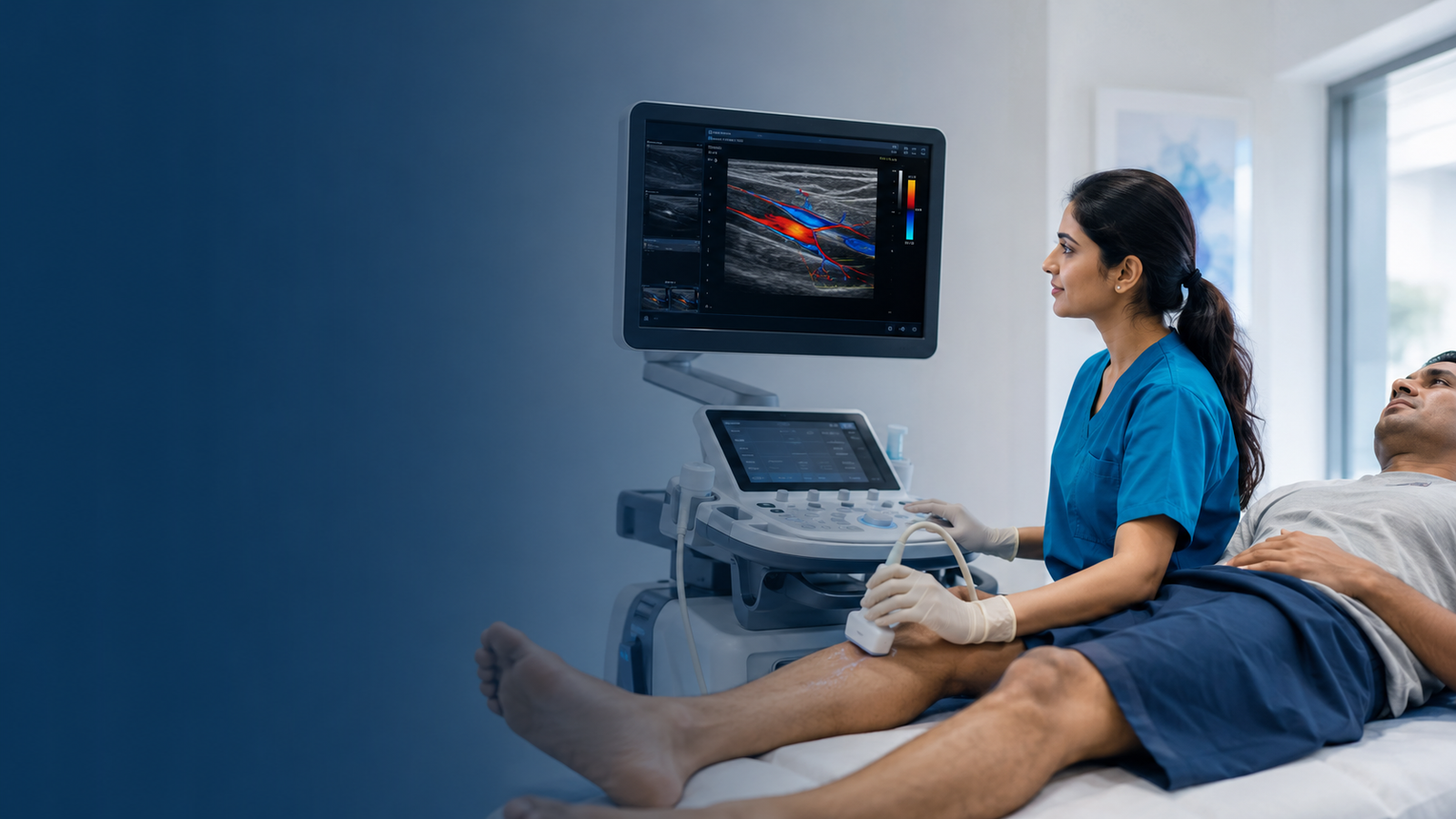
Vascular tests help identify whether symptoms are caused by arterial, venous or other circulation problems and define the location and severity of disease.
 First-line imaging
Ultrasound is non-invasive, uses no radiation and provides real-time information about blood flow. The exact scan depends on the symptoms and the blood vessels being assessed.
Understand vascular ultrasound →Assesses blood flow, narrowing and blockage in limb arteries.

Evaluates deep vein thrombosis, venous obstruction and varicose-vein reflux.
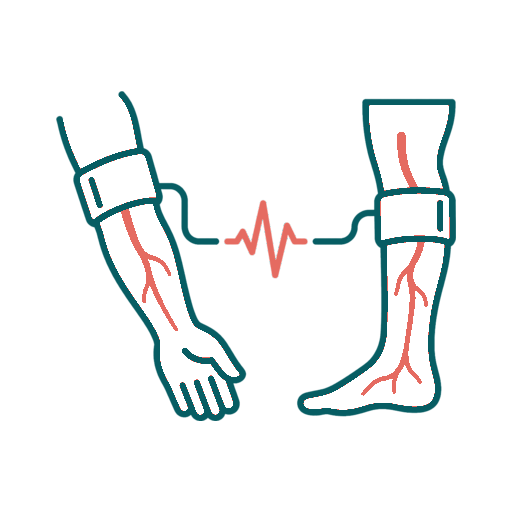
Compares blood pressure at the ankle and arm as a screening measure for leg circulation.
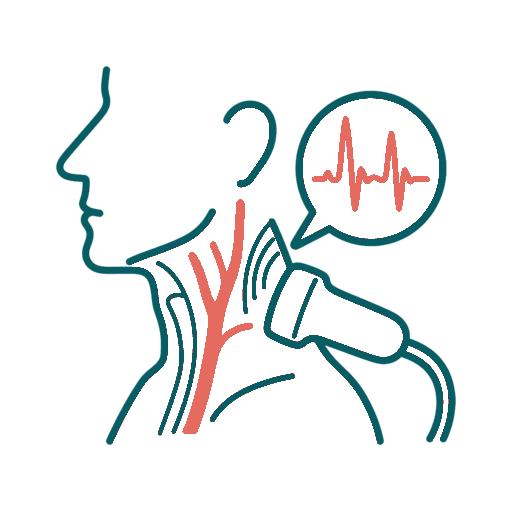
Examines the neck arteries for plaque and narrowing that may affect stroke risk.

Maps arteries and veins before AV fistula creation and evaluates existing access.
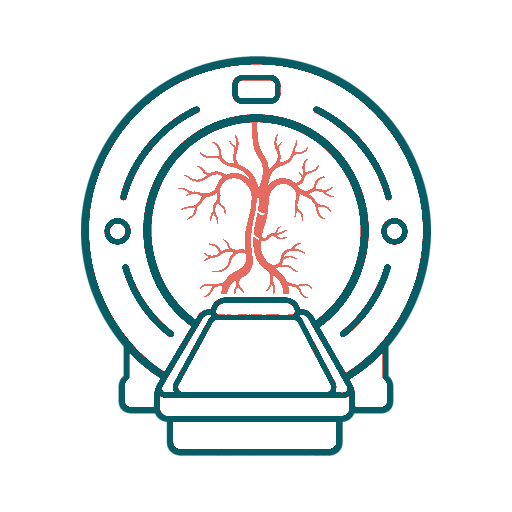
Provides detailed cross-sectional images for selected arterial, venous and aortic problems.