
Consultant Vascular & Endovascular Surgeon Hyderabad

Vascular condition guide

Deep Vein Thrombosis

A blood clot in a deep vein that may cause sudden swelling, pain, tenderness or warmth.

Deep Vein Thrombosis icon
Overview

What Is Deep Vein Thrombosis?

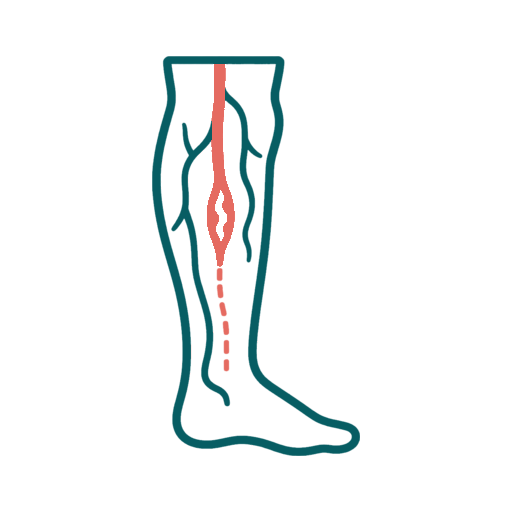
Deep vein thrombosis, or DVT, is a clot in a deep vein, most commonly in the leg. Early assessment matters because a clot may extend or travel to the lungs. Treatment depends on the clot location, symptoms, risk factors and bleeding risk.

A DVT consultation requires the Doppler report, symptom start date, recent travel or surgery history, current medicines and any past clotting events. Sudden breathlessness, chest pain, fainting or coughing blood is an emergency and should not wait for an outpatient appointment.

Seek urgent care when needed

Sudden breathlessness, chest pain, fainting or coughing blood requires immediate emergency care.

Causes

Why Deep Vein Thrombosis Happens

Deep vein thrombosis forms when blood flow slows, the vein wall is injured or the blood becomes more prone to clotting. Surgery, hospital admission, cancer, pregnancy, hormone medicines, long immobility, major injury and a previous clot can increase risk. Sometimes several smaller risks act together, and occasionally no obvious trigger is found.

Risk factors

Who May Be More at Risk?

Previous DVT or pulmonary embolism, recent surgery, prolonged bed rest or travel, active cancer, pregnancy and the weeks after delivery, oestrogen-containing medicines, inherited clotting disorders and increasing age are recognised risk factors. Individual bleeding risk also matters when selecting anticoagulation.

01

Common Signs and Symptoms

02

How It May Be Evaluated

03

Treatment Options

Daily care

What Can Help Before and After Treatment?

Do not massage a newly swollen painful leg or self-start blood thinners. Follow the prescribed anticoagulant plan, stay appropriately mobile when advised, keep follow-up appointments and discuss compression with the treating doctor. Prevention during future surgery, pregnancy or travel may need an individual plan.

Why assessment matters

What Can Happen Without Appropriate Care?

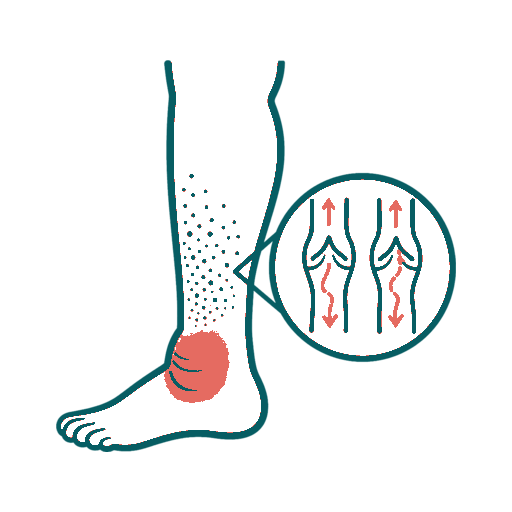
An untreated DVT can extend, damage deep-vein valves or travel to the lungs as a pulmonary embolism. Later, some people develop post-thrombotic syndrome with chronic swelling, heaviness, pigmentation or ulcers. Prompt diagnosis is important because leg symptoms alone cannot reliably confirm or exclude a clot.

Important: Treatment is individualised after clinical examination and appropriate imaging. Information on this page is educational and does not replace a consultation.
Deep Vein Thrombosis icon

Consult Dr. Pragna

Bring previous prescriptions, Doppler scans, angiography reports, wound photographs and details of earlier procedures.

People also ask

Frequently Asked Questions About Deep Vein Thrombosis

These common patient questions address diagnosis, risk, treatment and when to seek care.

Deep vein thrombosis, or DVT, is a clot in a deep vein, most commonly in the leg. Early assessment matters because a clot may extend or travel to the lungs. Treatment depends on the clot location, symptoms, risk factors and bleeding risk.

Common findings may include sudden one-sided leg swelling, calf or thigh pain, warmth or redness, unexplained breathlessness or chest pain. Symptoms vary, and some people have advanced disease without a typical presentation.

Deep vein thrombosis forms when blood flow slows, the vein wall is injured or the blood becomes more prone to clotting. Surgery, hospital admission, cancer, pregnancy, hormone medicines, long immobility, major injury and a previous clot can increase risk. Sometimes several smaller risks act together, and occasionally no obvious trigger is found.

Previous DVT or pulmonary embolism, recent surgery, prolonged bed rest or travel, active cancer, pregnancy and the weeks after delivery, oestrogen-containing medicines, inherited clotting disorders and increasing age are recognised risk factors. Individual bleeding risk also matters when selecting anticoagulation.

Evaluation may include urgent clinical assessment, venous doppler ultrasound, blood tests when appropriate, review of clotting risks and medicines. The exact test is selected after reviewing symptoms, medical history and the vascular examination.

An untreated DVT can extend, damage deep-vein valves or travel to the lungs as a pulmonary embolism. Later, some people develop post-thrombotic syndrome with chronic swelling, heaviness, pigmentation or ulcers. Prompt diagnosis is important because leg symptoms alone cannot reliably confirm or exclude a clot.
Do not massage a newly swollen painful leg or self-start blood thinners. Follow the prescribed anticoagulant plan, stay appropriately mobile when advised, keep follow-up appointments and discuss compression with the treating doctor. Prevention during future surgery, pregnancy or travel may need an individual plan.

Depending on the diagnosis, options may include anticoagulant medication, compression when advised, catheter-based treatment in selected cases, follow-up for post-thrombotic symptoms. A matching symptom does not automatically make a person suitable for a particular procedure.

Sudden breathlessness, chest pain, fainting or coughing blood requires immediate emergency care.

A DVT consultation requires the Doppler report, symptom start date, recent travel or surgery history, current medicines and any past clotting events. Sudden breathlessness, chest pain, fainting or coughing blood is an emergency and should not wait for an outpatient appointment. Also bring a current medicine list and any relevant discharge or procedure records.

Related vascular care

Explore Related Conditions and Services

Chronic Venous Insufficiency icon

Chronic Venous Insufficiency

Poor venous return that may lead to swelling, pigmentation, skin changes and leg ulcers.

Peripheral Artery Disease icon

Peripheral Artery Disease

Reduced blood flow to the limbs that may cause walking pain, cold feet or non-healing wounds.

Diabetic Foot icon

Diabetic Foot

Foot wounds, infection and circulation problems affecting people with diabetes.

Need an individual review?

Discuss Deep Vein Thrombosis With Dr. Pragna

A consultation connects symptoms, examination and imaging before a treatment plan is recommended.