
Consultant Vascular & Endovascular Surgeon • Hyderabad
Poor venous return that may lead to swelling, pigmentation, skin changes and leg ulcers.
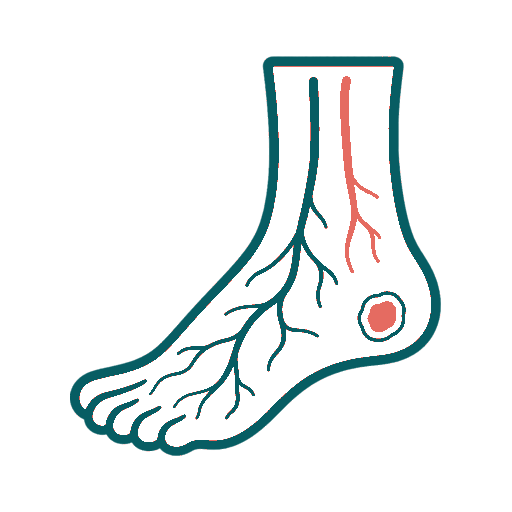
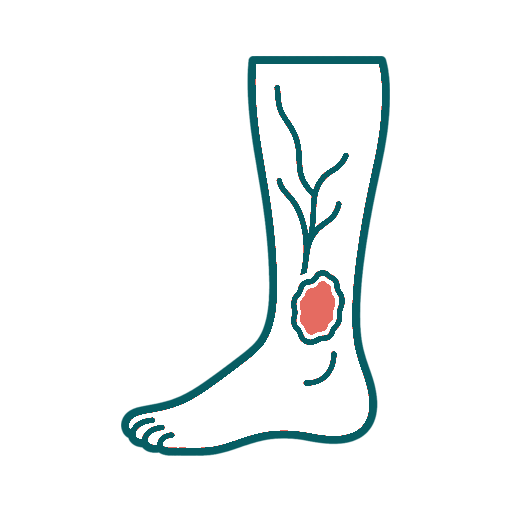
Chronic venous insufficiency occurs when leg veins have difficulty returning blood to the heart. It can follow valve failure, varicose veins or a previous DVT and may progressively affect the skin around the ankle.
A chronic venous insufficiency evaluation in Hyderabad commonly includes a venous reflux Doppler and examination of swelling, pigmentation and wounds. Previous DVT records and earlier vein-procedure details help distinguish primary reflux from post-thrombotic disease.
Chronic venous insufficiency develops when leg-vein valves do not return blood effectively, creating sustained venous pressure. It may arise from primary valve failure, long-standing varicose veins, obstruction or valve damage after a DVT. The calf-muscle pump and mobility also influence how efficiently blood moves upward.
Previous DVT, varicose veins, pregnancy, obesity, reduced mobility, age and long periods of standing or sitting can increase risk. Swelling also has heart, kidney, liver, medication and lymphatic causes, so both legs and the wider medical history must be assessed before labelling it venous insufficiency.
Walking and ankle movement support the calf pump. Leg elevation, skin moisturising, weight management and clinically suitable compression can reduce swelling and protect the skin. Compression strength should be selected after checking arterial circulation when poor blood flow is possible.
Persistent venous pressure can lead to worsening oedema, eczema, brown pigmentation, hard or tender skin and venous leg ulcers. Infection may occur when damaged skin breaks down. Early management of swelling and reflux may reduce complications, although long-term follow-up is often required.

Bring previous prescriptions, Doppler scans, angiography reports, wound photographs and details of earlier procedures.
These common patient questions address diagnosis, risk, treatment and when to seek care.
Chronic venous insufficiency occurs when leg veins have difficulty returning blood to the heart. It can follow valve failure, varicose veins or a previous DVT and may progressively affect the skin around the ankle.
Common findings may include persistent ankle or leg swelling, brown pigmentation, itching or hardening of skin, venous leg ulcer. Symptoms vary, and some people have advanced disease without a typical presentation.
Chronic venous insufficiency develops when leg-vein valves do not return blood effectively, creating sustained venous pressure. It may arise from primary valve failure, long-standing varicose veins, obstruction or valve damage after a DVT. The calf-muscle pump and mobility also influence how efficiently blood moves upward.
Previous DVT, varicose veins, pregnancy, obesity, reduced mobility, age and long periods of standing or sitting can increase risk. Swelling also has heart, kidney, liver, medication and lymphatic causes, so both legs and the wider medical history must be assessed before labelling it venous insufficiency.
Evaluation may include clinical assessment, venous reflux doppler, ulcer and skin evaluation, review of previous dvt. The exact test is selected after reviewing symptoms, medical history and the vascular examination.
Persistent venous pressure can lead to worsening oedema, eczema, brown pigmentation, hard or tender skin and venous leg ulcers. Infection may occur when damaged skin breaks down. Early management of swelling and reflux may reduce complications, although long-term follow-up is often required.
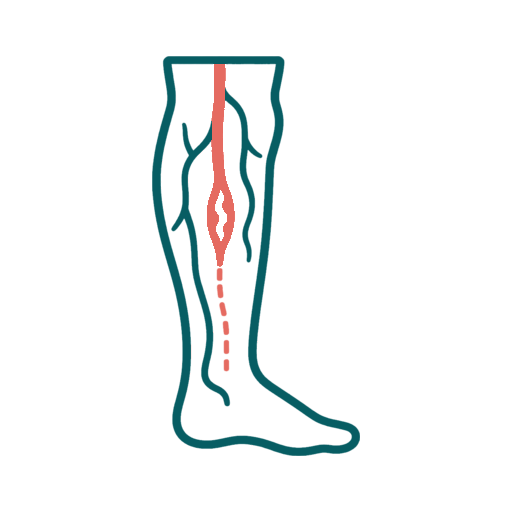
Walking and ankle movement support the calf pump. Leg elevation, skin moisturising, weight management and clinically suitable compression can reduce swelling and protect the skin. Compression strength should be selected after checking arterial circulation when poor blood flow is possible.
Depending on the diagnosis, options may include compression therapy, leg elevation and walking, treatment of venous reflux, structured wound care. A matching symptom does not automatically make a person suitable for a particular procedure.
Sudden, severe or rapidly worsening symptoms should be assessed urgently rather than through a routine online enquiry.
A chronic venous insufficiency evaluation in Hyderabad commonly includes a venous reflux Doppler and examination of swelling, pigmentation and wounds. Previous DVT records and earlier vein-procedure details help distinguish primary reflux from post-thrombotic disease. Also bring a current medicine list and any relevant discharge or procedure records.
Reduced blood flow to the limbs that may cause walking pain, cold feet or non-healing wounds.
Foot wounds, infection and circulation problems affecting people with diabetes.
Persistent wounds that may be caused by venous disease, arterial disease, diabetes or mixed conditions.
A consultation connects symptoms, examination and imaging before a treatment plan is recommended.
Specialist evaluation and treatment for conditions affecting arteries, veins, circulation, wounds and dialysis access.
Clinic contact details and consultation timings can be added after confirmation.
© 2026 Dr. Pragna Vascular. Privacy Policy · Medical Disclaimer