
Consultant Vascular & Endovascular Surgeon • Hyderabad
Reduced blood flow to the limbs that may cause walking pain, cold feet or non-healing wounds.
Peripheral artery disease, or PAD, is caused by narrowing or blockage of arteries supplying the limbs. It may first appear as calf pain while walking, but advanced disease can cause rest pain, wounds or tissue loss.
A PAD consultation should review walking distance, rest pain, foot wounds, pulses and cardiovascular risks. An ankle-brachial index, arterial Doppler and sometimes CT angiography help decide whether medical care, angioplasty, stenting or bypass should be considered.
A suddenly cold, pale, painful or numb limb needs emergency vascular assessment.
Peripheral artery disease is most often caused by atherosclerosis, in which plaque narrows arteries carrying blood to the legs. Smoking, diabetes, high cholesterol, high blood pressure and age accelerate this process. Less common causes include inflammation, arterial injury, entrapment or clotting.
Tobacco exposure and diabetes are major risks, especially when combined with kidney disease, hypertension, high cholesterol or a history of heart or brain-vessel disease. PAD can exist even when walking pain is absent, particularly in people with diabetes or limited mobility.
Stopping tobacco, taking prescribed antiplatelet and cholesterol medicines, controlling diabetes and blood pressure, caring for the feet and following a supervised or structured walking plan are central measures. Exercise is not appropriate over an active foot wound or when severe rest pain needs urgent assessment.
PAD may remain stable, but progressive disease can reduce walking ability and cardiovascular health. Advanced poor circulation may cause rest pain, non-healing ulcers, infection, gangrene or limb loss. It also signals a higher risk of heart attack and stroke, making risk-factor treatment part of vascular care.

Bring previous prescriptions, Doppler scans, angiography reports, wound photographs and details of earlier procedures.
These common patient questions address diagnosis, risk, treatment and when to seek care.
Peripheral artery disease, or PAD, is caused by narrowing or blockage of arteries supplying the limbs. It may first appear as calf pain while walking, but advanced disease can cause rest pain, wounds or tissue loss.
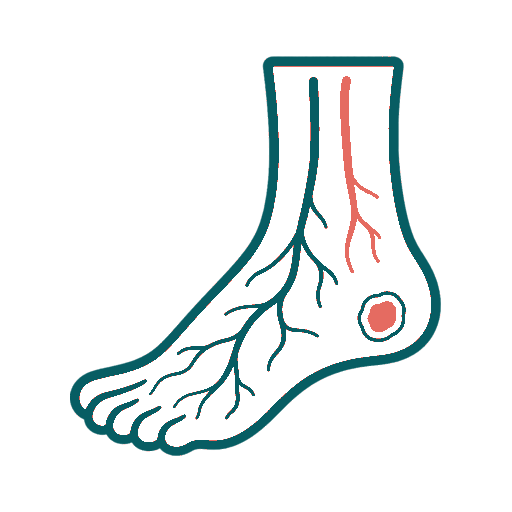
Common findings may include calf or thigh pain while walking, cold or numb foot, pain in the foot at rest, slow-healing toe or foot wound. Symptoms vary, and some people have advanced disease without a typical presentation.
Peripheral artery disease is most often caused by atherosclerosis, in which plaque narrows arteries carrying blood to the legs. Smoking, diabetes, high cholesterol, high blood pressure and age accelerate this process. Less common causes include inflammation, arterial injury, entrapment or clotting.
Tobacco exposure and diabetes are major risks, especially when combined with kidney disease, hypertension, high cholesterol or a history of heart or brain-vessel disease. PAD can exist even when walking pain is absent, particularly in people with diabetes or limited mobility.
Evaluation may include pulse and circulation examination, ankle-brachial index, arterial doppler, ct angiography when needed. The exact test is selected after reviewing symptoms, medical history and the vascular examination.
PAD may remain stable, but progressive disease can reduce walking ability and cardiovascular health. Advanced poor circulation may cause rest pain, non-healing ulcers, infection, gangrene or limb loss. It also signals a higher risk of heart attack and stroke, making risk-factor treatment part of vascular care.
Stopping tobacco, taking prescribed antiplatelet and cholesterol medicines, controlling diabetes and blood pressure, caring for the feet and following a supervised or structured walking plan are central measures. Exercise is not appropriate over an active foot wound or when severe rest pain needs urgent assessment.
Depending on the diagnosis, options may include risk-factor and medication management, walking programme, angioplasty or stenting, bypass surgery in selected patients. A matching symptom does not automatically make a person suitable for a particular procedure.
A suddenly cold, pale, painful or numb limb needs emergency vascular assessment.
A PAD consultation should review walking distance, rest pain, foot wounds, pulses and cardiovascular risks. An ankle-brachial index, arterial Doppler and sometimes CT angiography help decide whether medical care, angioplasty, stenting or bypass should be considered. Also bring a current medicine list and any relevant discharge or procedure records.
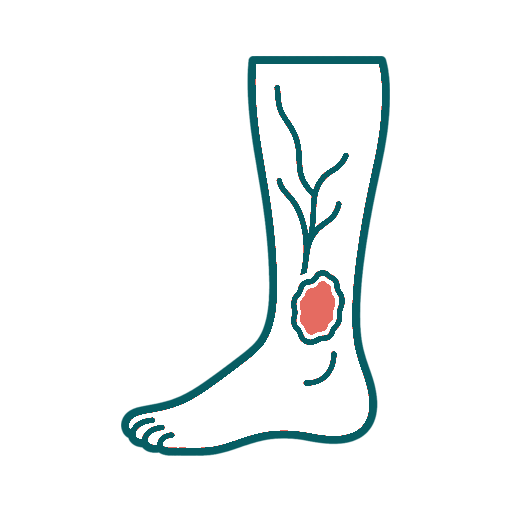
Foot wounds, infection and circulation problems affecting people with diabetes.
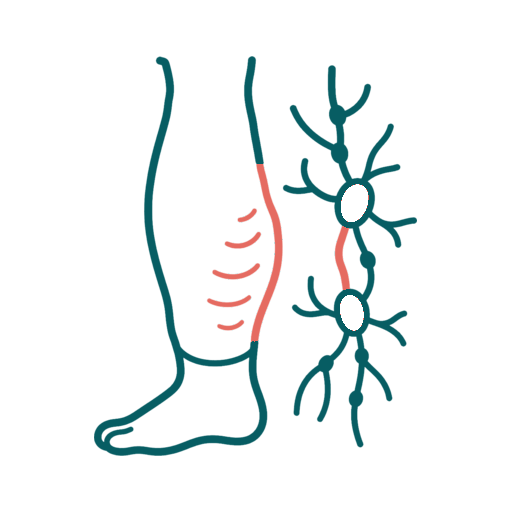
Persistent wounds that may be caused by venous disease, arterial disease, diabetes or mixed conditions.
A consultation connects symptoms, examination and imaging before a treatment plan is recommended.
Specialist evaluation and treatment for conditions affecting arteries, veins, circulation, wounds and dialysis access.
Clinic contact details and consultation timings can be added after confirmation.
© 2026 Dr. Pragna Vascular. Privacy Policy · Medical Disclaimer