
Consultant Vascular & Endovascular Surgeon • Hyderabad
Abnormal blood vessels that may cause swelling, pain, bleeding or discolouration.
Vascular malformations are abnormal networks of arteries, veins, capillaries or lymphatic vessels, usually present from birth. Their behaviour and treatment vary widely, so precise imaging and classification are important.
A vascular malformation evaluation reviews onset, growth pattern and prior injections or surgery. Doppler and MRI commonly help define vessel type and extent; angiography is used selectively for fast-flow lesions and treatment planning.
Vascular malformations are developmental abnormalities of veins, arteries, capillaries, lymphatic channels or combinations of these vessels. They are generally present from birth even if symptoms appear later. Hormonal change, growth, trauma or infection may make a previously quiet lesion more noticeable.
Most malformations are sporadic, although some are part of inherited syndromes. Their behaviour depends on whether flow is slow or fast, which tissues are involved and whether there is pain, bleeding, clotting, ulceration or functional limitation.
Protect affected skin, avoid unadvised puncture or massage, use compression only when recommended and record changes in size, pain, warmth or bleeding. Sudden heavy bleeding, rapid painful swelling or loss of limb circulation requires emergency care.
Some stable malformations can be observed, while others enlarge, thrombose, bleed, cause pain, damage skin or affect nearby muscle, bone or organs. Incomplete or unsuitable treatment can also worsen symptoms, so precise classification is essential before intervention.

Bring previous prescriptions, Doppler scans, angiography reports, wound photographs and details of earlier procedures.
These common patient questions address diagnosis, risk, treatment and when to seek care.
Vascular malformations are abnormal networks of arteries, veins, capillaries or lymphatic vessels, usually present from birth. Their behaviour and treatment vary widely, so precise imaging and classification are important.
Common findings may include vascular birthmark, painful or enlarging swelling, bleeding or skin changes, warmth or visible pulsation. Symptoms vary, and some people have advanced disease without a typical presentation.
Vascular malformations are developmental abnormalities of veins, arteries, capillaries, lymphatic channels or combinations of these vessels. They are generally present from birth even if symptoms appear later. Hormonal change, growth, trauma or infection may make a previously quiet lesion more noticeable.
Most malformations are sporadic, although some are part of inherited syndromes. Their behaviour depends on whether flow is slow or fast, which tissues are involved and whether there is pain, bleeding, clotting, ulceration or functional limitation.
Evaluation may include detailed clinical examination, doppler ultrasound, mri or angiography, classification by vessel type and flow. The exact test is selected after reviewing symptoms, medical history and the vascular examination.
Some stable malformations can be observed, while others enlarge, thrombose, bleed, cause pain, damage skin or affect nearby muscle, bone or organs. Incomplete or unsuitable treatment can also worsen symptoms, so precise classification is essential before intervention.
Protect affected skin, avoid unadvised puncture or massage, use compression only when recommended and record changes in size, pain, warmth or bleeding. Sudden heavy bleeding, rapid painful swelling or loss of limb circulation requires emergency care.
Depending on the diagnosis, options may include observation and symptom control, compression, sclerotherapy or embolisation, surgery in selected cases. A matching symptom does not automatically make a person suitable for a particular procedure.
Sudden, severe or rapidly worsening symptoms should be assessed urgently rather than through a routine online enquiry.
A vascular malformation evaluation reviews onset, growth pattern and prior injections or surgery. Doppler and MRI commonly help define vessel type and extent; angiography is used selectively for fast-flow lesions and treatment planning. Also bring a current medicine list and any relevant discharge or procedure records.
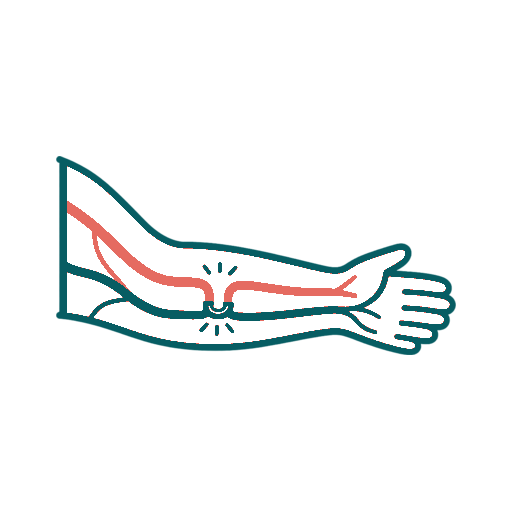
Assessment, creation and management of AV fistula and other dialysis-access problems.
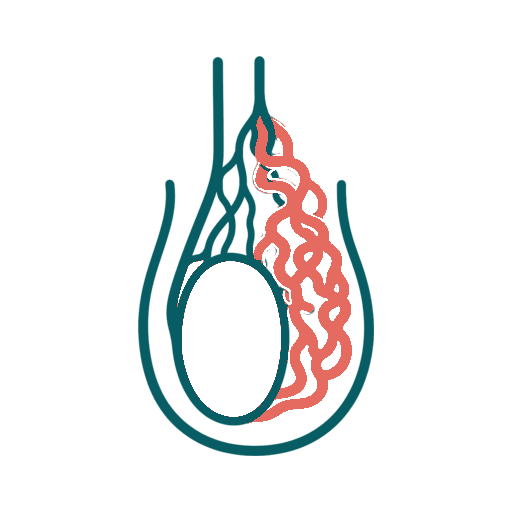
Enlarged veins around the testicle that may cause discomfort or fertility concerns.
A consultation connects symptoms, examination and imaging before a treatment plan is recommended.
Specialist evaluation and treatment for conditions affecting arteries, veins, circulation, wounds and dialysis access.
Clinic contact details and consultation timings can be added after confirmation.
© 2026 Dr. Pragna Vascular. Privacy Policy · Medical Disclaimer