
Consultant Vascular & Endovascular Surgeon • Hyderabad
Assessment of abnormal clot formation affecting venous or arterial circulation.
Blood clots can form in veins or arteries and may affect the legs, arms, lungs or other organs. The urgency, tests and treatment depend on where the clot is located and what symptoms it causes.
Bring all scan reports, discharge summaries, medication strips and a timeline of earlier clots. Recurrent or unusual-site clots may need coordinated review, but clotting tests are not automatically useful for every patient.
Breathlessness, chest pain, collapse or a suddenly threatened limb requires emergency care.
Blood clots may form in veins or arteries when flow slows, a vessel is injured or the blood becomes unusually prone to clotting. The cause may involve surgery, immobility, cancer, pregnancy, medicines, atherosclerosis, abnormal heart rhythm or inherited factors, depending on the clot location.
A previous clot, recent hospital stay or surgery, long immobility, active cancer, pregnancy, hormone medicines, tobacco use and some inherited conditions raise venous-clot risk. Arterial clot risks commonly include atherosclerosis, diabetes, smoking and certain heart conditions.
Take prescribed anticoagulants at the same time each day, discuss missed doses and bleeding, and check before starting painkillers or supplements. Do not stop blood thinners for dental work or surgery without guidance. Future travel and hospital admissions may require prevention planning.
A venous clot can extend or travel to the lungs; an arterial clot can abruptly stop oxygen delivery to a limb or organ. Long-term damage may persist even after the immediate event. Location and symptoms determine urgency, tests and whether anticoagulation, antiplatelet therapy or an intervention is considered.

Bring previous prescriptions, Doppler scans, angiography reports, wound photographs and details of earlier procedures.
These common patient questions address diagnosis, risk, treatment and when to seek care.
Blood clots can form in veins or arteries and may affect the legs, arms, lungs or other organs. The urgency, tests and treatment depend on where the clot is located and what symptoms it causes.
Common findings may include sudden limb swelling or pain, cold or discoloured limb, breathlessness or chest pain, unexplained recurrent clots. Symptoms vary, and some people have advanced disease without a typical presentation.
Blood clots may form in veins or arteries when flow slows, a vessel is injured or the blood becomes unusually prone to clotting. The cause may involve surgery, immobility, cancer, pregnancy, medicines, atherosclerosis, abnormal heart rhythm or inherited factors, depending on the clot location.
A previous clot, recent hospital stay or surgery, long immobility, active cancer, pregnancy, hormone medicines, tobacco use and some inherited conditions raise venous-clot risk. Arterial clot risks commonly include atherosclerosis, diabetes, smoking and certain heart conditions.
Evaluation may include urgent clinical assessment, doppler or ct imaging, medication and risk-factor review, clotting evaluation when indicated. The exact test is selected after reviewing symptoms, medical history and the vascular examination.
A venous clot can extend or travel to the lungs; an arterial clot can abruptly stop oxygen delivery to a limb or organ. Long-term damage may persist even after the immediate event. Location and symptoms determine urgency, tests and whether anticoagulation, antiplatelet therapy or an intervention is considered.
Take prescribed anticoagulants at the same time each day, discuss missed doses and bleeding, and check before starting painkillers or supplements. Do not stop blood thinners for dental work or surgery without guidance. Future travel and hospital admissions may require prevention planning.
Depending on the diagnosis, options may include anticoagulant medication, thrombolysis or thrombectomy in selected cases, treatment of the underlying cause, prevention and follow-up plan. A matching symptom does not automatically make a person suitable for a particular procedure.
Breathlessness, chest pain, collapse or a suddenly threatened limb requires emergency care.
Bring all scan reports, discharge summaries, medication strips and a timeline of earlier clots. Recurrent or unusual-site clots may need coordinated review, but clotting tests are not automatically useful for every patient. Also bring a current medicine list and any relevant discharge or procedure records.
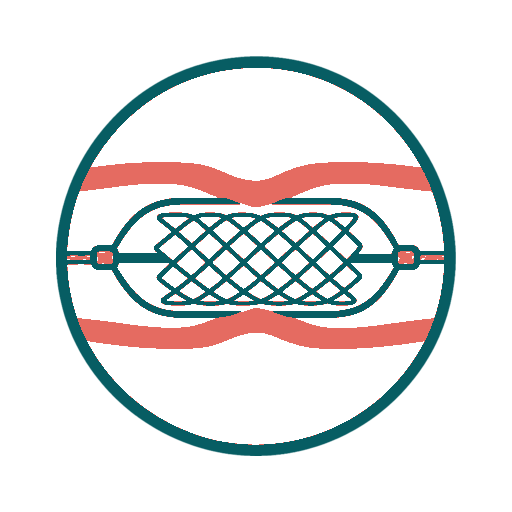
A minimally invasive option used in selected patients to improve blood flow through narrowed arteries.
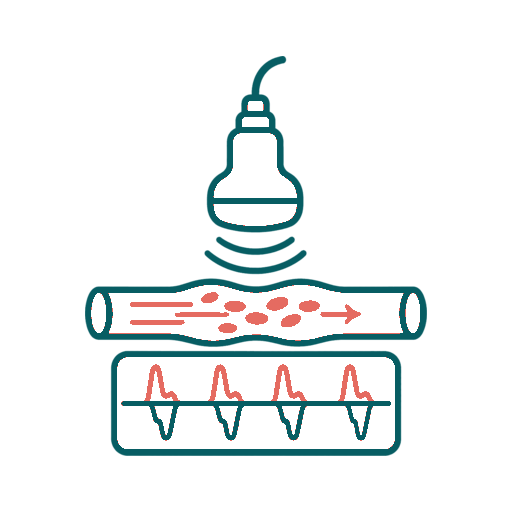
A non-invasive Doppler examination used to assess blood flow in arteries and veins.
Circulation-restoring treatment intended to help protect a threatened limb when clinically appropriate.
A consultation connects symptoms, examination and imaging before a treatment plan is recommended.
Specialist evaluation and treatment for conditions affecting arteries, veins, circulation, wounds and dialysis access.
Clinic contact details and consultation timings can be added after confirmation.
© 2026 Dr. Pragna Vascular. Privacy Policy · Medical Disclaimer