Consultant Vascular & Endovascular Surgeon • Hyderabad
Angioplasty & Stenting
A minimally invasive option used in selected patients to improve blood flow through narrowed arteries.
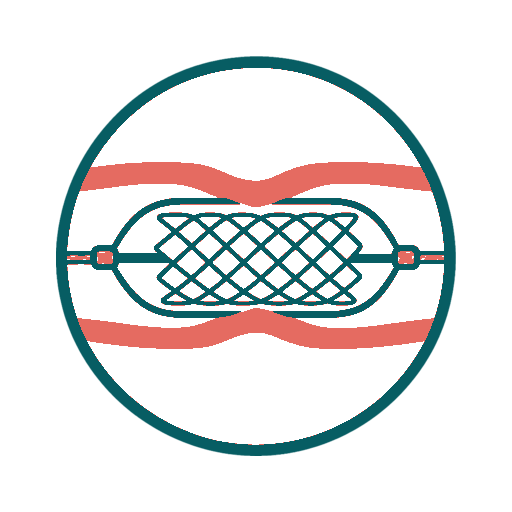
What Is Angioplasty & Stenting?
Angioplasty uses a balloon to widen a narrowed or blocked artery. A stent may be placed to support the treated segment. The decision is based on symptoms, imaging, anatomy, expected benefit and overall health.
An angioplasty and stenting review includes arterial Doppler or angiography images, kidney tests, current antiplatelet medicines and earlier procedure details. The discussion should compare endovascular treatment, medical care and bypass where relevant.
Why Angioplasty & Stenting Happens
Angioplasty and stenting are treatments rather than diseases. They are considered when an artery is narrowed or blocked and the expected benefit of restoring blood flow outweighs procedure risk. Common reasons include lifestyle-limiting PAD, rest pain or a non-healing ischaemic wound.
Who May Be More at Risk?
Suitability depends on blockage length and location, artery calcification, kidney function, bleeding risk, prior procedures and the availability of a durable bypass option. A stent is not automatically required after every balloon angioplasty.
Common Signs and Symptoms
- Lifestyle-limiting walking pain
- Rest pain from poor circulation
- Non-healing arterial wound
- Narrowing identified on vascular imaging
How It May Be Evaluated
- Clinical circulation assessment
- Arterial Doppler
- CT or catheter angiography
- Kidney function and procedure-risk review
Treatment Options
- Balloon angioplasty
- Drug-coated balloon when suitable
- Stent placement
- Medical therapy and structured follow-up
What Can Help Before and After Treatment?
After an intervention, antiplatelet and cholesterol medicines, tobacco cessation, walking and foot care remain important. Follow access-site instructions and report bleeding, a suddenly cold painful limb, worsening wound or loss of a previously improved pulse.
What Can Happen Without Appropriate Care?
When severe arterial disease is left untreated, symptoms can progress from walking pain to rest pain, tissue loss and threatened-limb infection. However, mild stable claudication may be managed first with medicines, risk-factor control and structured exercise rather than an immediate procedure.
Consult Dr. Pragna
Bring previous prescriptions, Doppler scans, angiography reports, wound photographs and details of earlier procedures.
Frequently Asked Questions About Angioplasty & Stenting
These common patient questions address diagnosis, risk, treatment and when to seek care.
Angioplasty uses a balloon to widen a narrowed or blocked artery. A stent may be placed to support the treated segment. The decision is based on symptoms, imaging, anatomy, expected benefit and overall health.
Common findings may include lifestyle-limiting walking pain, rest pain from poor circulation, non-healing arterial wound, narrowing identified on vascular imaging. Symptoms vary, and some people have advanced disease without a typical presentation.
Angioplasty and stenting are treatments rather than diseases. They are considered when an artery is narrowed or blocked and the expected benefit of restoring blood flow outweighs procedure risk. Common reasons include lifestyle-limiting PAD, rest pain or a non-healing ischaemic wound.
Suitability depends on blockage length and location, artery calcification, kidney function, bleeding risk, prior procedures and the availability of a durable bypass option. A stent is not automatically required after every balloon angioplasty.
Evaluation may include clinical circulation assessment, arterial doppler, ct or catheter angiography, kidney function and procedure-risk review. The exact test is selected after reviewing symptoms, medical history and the vascular examination.
When severe arterial disease is left untreated, symptoms can progress from walking pain to rest pain, tissue loss and threatened-limb infection. However, mild stable claudication may be managed first with medicines, risk-factor control and structured exercise rather than an immediate procedure.
After an intervention, antiplatelet and cholesterol medicines, tobacco cessation, walking and foot care remain important. Follow access-site instructions and report bleeding, a suddenly cold painful limb, worsening wound or loss of a previously improved pulse.
Depending on the diagnosis, options may include balloon angioplasty, drug-coated balloon when suitable, stent placement, medical therapy and structured follow-up. A matching symptom does not automatically make a person suitable for a particular procedure.
Sudden, severe or rapidly worsening symptoms should be assessed urgently rather than through a routine online enquiry.
An angioplasty and stenting review includes arterial Doppler or angiography images, kidney tests, current antiplatelet medicines and earlier procedure details. The discussion should compare endovascular treatment, medical care and bypass where relevant. Also bring a current medicine list and any relevant discharge or procedure records.
Explore Related Conditions and Services
Vascular Ultrasound
A non-invasive Doppler examination used to assess blood flow in arteries and veins.

Limb Salvage
Circulation-restoring treatment intended to help protect a threatened limb when clinically appropriate.
Varicose Veins
Bulging or twisted leg veins that may cause aching, heaviness, itching, cramps or skin changes.
Discuss Angioplasty & Stenting With Dr. Pragna
A consultation connects symptoms, examination and imaging before a treatment plan is recommended.

Specialist evaluation and treatment for conditions affecting arteries, veins, circulation, wounds and dialysis access.
Vascular Care
Patient Information
Appointments
Clinic contact details and consultation timings can be added after confirmation.
© 2026 Dr. Pragna Vascular. Privacy Policy · Medical Disclaimer