Consultant Vascular & Endovascular Surgeon • Hyderabad
Carotid Artery Disease
Narrowing of the arteries in the neck that may increase the risk of stroke.
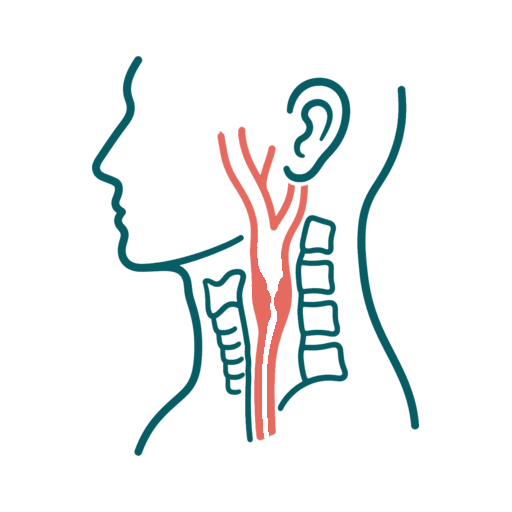
What Is Carotid Artery Disease?
Carotid artery disease is a build-up of plaque in the arteries supplying the brain. Treatment decisions consider the degree of narrowing, symptoms, general health and the balance of medical, surgical and endovascular options.
Bring the carotid Doppler report and images, CT or MR angiography, stroke-discharge papers and current medicines. A vascular consultation reviews whether the narrowing is symptomatic and whether medical therapy, surveillance, surgery or stenting is appropriate.
New facial droop, arm weakness, speech difficulty or sudden vision loss requires emergency stroke care.
Why Carotid Artery Disease Happens
Carotid artery disease is usually caused by atherosclerotic plaque in the neck arteries supplying the brain. Smoking, diabetes, hypertension, high cholesterol and age contribute. Stroke risk depends on more than a percentage alone; symptoms, plaque features, anatomy and general health all matter.
Who May Be More at Risk?
Prior TIA or stroke, tobacco exposure, diabetes, high blood pressure, cholesterol disease, kidney disease and atherosclerosis elsewhere increase risk. Carotid narrowing may be discovered during imaging even when a person has never had neurological symptoms.
Common Signs and Symptoms
- Temporary weakness on one side
- Speech or vision disturbance
- Previous TIA or stroke
- Carotid narrowing found on imaging
How It May Be Evaluated
- Neurological and vascular history
- Carotid Doppler
- CT or MR angiography
- Cardiovascular risk review
Treatment Options
- Medication and risk-factor control
- Surveillance imaging
- Carotid endarterectomy
- Carotid stenting in selected patients
What Can Help Before and After Treatment?
Take antiplatelet, cholesterol and blood-pressure medicines exactly as prescribed, stop tobacco and manage diabetes. These measures remain important even after a carotid procedure. New facial droop, arm weakness, speech difficulty or sudden vision loss needs emergency stroke care.
What Can Happen Without Appropriate Care?
Plaque can narrow blood flow or release material that blocks a smaller brain artery, causing TIA or stroke. Many people remain asymptomatic, so management balances medication, surveillance and the potential benefits and risks of carotid endarterectomy or stenting.
Consult Dr. Pragna
Bring previous prescriptions, Doppler scans, angiography reports, wound photographs and details of earlier procedures.
Frequently Asked Questions About Carotid Artery Disease
These common patient questions address diagnosis, risk, treatment and when to seek care.
Carotid artery disease is a build-up of plaque in the arteries supplying the brain. Treatment decisions consider the degree of narrowing, symptoms, general health and the balance of medical, surgical and endovascular options.
Common findings may include temporary weakness on one side, speech or vision disturbance, previous tia or stroke, carotid narrowing found on imaging. Symptoms vary, and some people have advanced disease without a typical presentation.
Carotid artery disease is usually caused by atherosclerotic plaque in the neck arteries supplying the brain. Smoking, diabetes, hypertension, high cholesterol and age contribute. Stroke risk depends on more than a percentage alone; symptoms, plaque features, anatomy and general health all matter.
Prior TIA or stroke, tobacco exposure, diabetes, high blood pressure, cholesterol disease, kidney disease and atherosclerosis elsewhere increase risk. Carotid narrowing may be discovered during imaging even when a person has never had neurological symptoms.
Evaluation may include neurological and vascular history, carotid doppler, ct or mr angiography, cardiovascular risk review. The exact test is selected after reviewing symptoms, medical history and the vascular examination.
Plaque can narrow blood flow or release material that blocks a smaller brain artery, causing TIA or stroke. Many people remain asymptomatic, so management balances medication, surveillance and the potential benefits and risks of carotid endarterectomy or stenting.
Take antiplatelet, cholesterol and blood-pressure medicines exactly as prescribed, stop tobacco and manage diabetes. These measures remain important even after a carotid procedure. New facial droop, arm weakness, speech difficulty or sudden vision loss needs emergency stroke care.
Depending on the diagnosis, options may include medication and risk-factor control, surveillance imaging, carotid endarterectomy, carotid stenting in selected patients. A matching symptom does not automatically make a person suitable for a particular procedure.
New facial droop, arm weakness, speech difficulty or sudden vision loss requires emergency stroke care.
Bring the carotid Doppler report and images, CT or MR angiography, stroke-discharge papers and current medicines. A vascular consultation reviews whether the narrowing is symptomatic and whether medical therapy, surveillance, surgery or stenting is appropriate. Also bring a current medicine list and any relevant discharge or procedure records.
Explore Related Conditions and Services
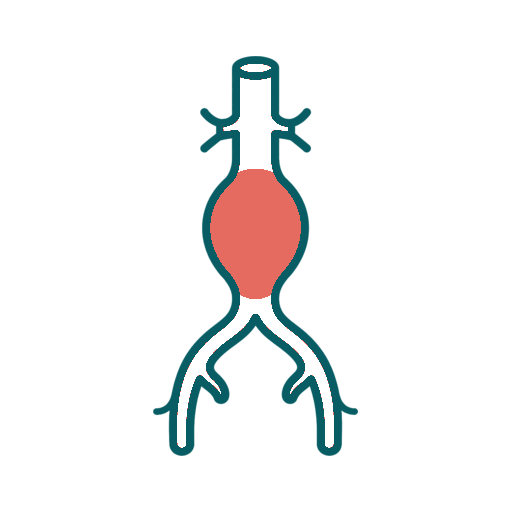
Aortic Aneurysm
Abnormal enlargement of the aorta that may require monitoring or treatment.
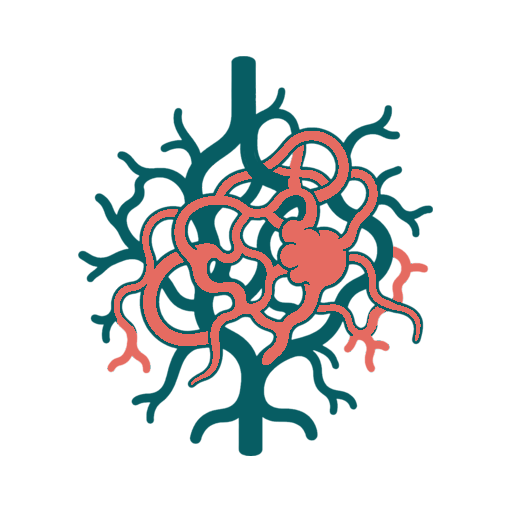
Vascular Malformation
Abnormal blood vessels that may cause swelling, pain, bleeding or discolouration.
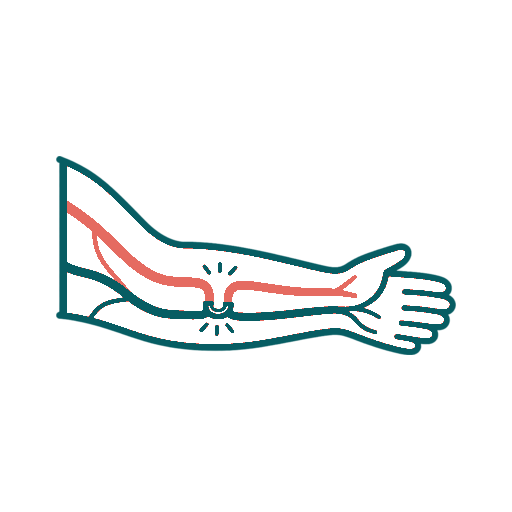
Dialysis Access
Assessment, creation and management of AV fistula and other dialysis-access problems.
Discuss Carotid Artery Disease With Dr. Pragna
A consultation connects symptoms, examination and imaging before a treatment plan is recommended.
Specialist evaluation and treatment for conditions affecting arteries, veins, circulation, wounds and dialysis access.
Vascular Care
Patient Information
Appointments
Clinic contact details and consultation timings can be added after confirmation.
© 2026 Dr. Pragna Vascular. Privacy Policy · Medical Disclaimer