Consultant Vascular & Endovascular Surgeon • Hyderabad
Varicose Vein Treatment
Doppler-led treatment planning for symptomatic varicose veins, venous reflux, skin changes and venous ulcers.
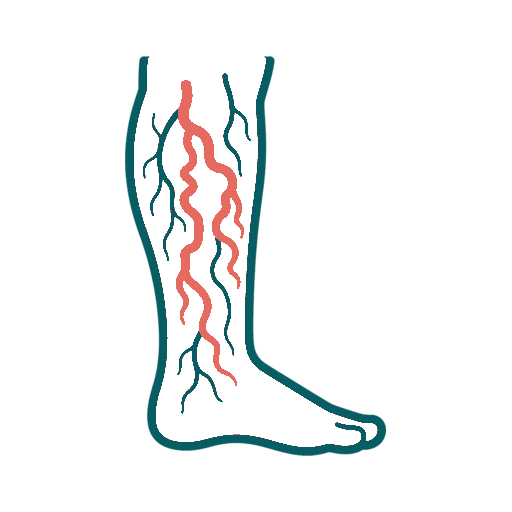
What Is Varicose Vein Treatment?
Varicose vein treatment aims to reduce symptoms and complications caused by abnormal backward flow in superficial leg veins. Options may include compression-based care, endovenous laser ablation, radiofrequency ablation, sclerotherapy and microphlebectomy. The visible vein pattern alone does not determine treatment. A venous reflux Doppler maps which valves and vein segments are not working and helps avoid treating the wrong vessel.
Who May Be Considered?
- Persistent aching, heaviness, cramps or itching
- Ankle swelling, pigmentation or venous eczema
- Bleeding varicose veins or a venous leg ulcer
- Confirmed superficial venous reflux on Doppler
Assessment and Tests
- Clinical vein and skin examination
- Standing venous reflux Doppler
- Review of previous vein procedures or DVT
- Discussion of symptoms, work and expectations
How Treatment May Be Performed
The refluxing source vein is identified with ultrasound
Ablation may close a faulty truncal vein using laser or radiofrequency energy
Sclerotherapy may treat selected smaller veins
Microphlebectomy may remove prominent surface branches through tiny openings
How to Prepare
Provide a complete medicine list, including blood thinners, hormone medicines and supplements. Bring earlier Doppler reports and details of previous injections or operations. The team will explain fasting, compression garments, transport and medicine changes specific to the chosen procedure; do not stop prescribed medicines on your own.
Comfort and Anaesthesia Planning
Many endovenous procedures use local or tumescent anaesthesia around the vein. The anaesthesia plan varies with the technique, number of veins, patient preference and associated procedures.
What to Expect During Recovery
Walking is usually encouraged soon after a minimally invasive vein procedure, but the exact return to work, exercise and driving depends on the technique and extent of treatment. Bruising, tightness or tenderness can occur. Follow the personalised compression and Doppler follow-up plan rather than a generic online timetable.
Risks and Limitations
Possible risks include bruising, pain, skin staining, superficial inflammation, numbness, infection, DVT, bleeding and recurrence. Thermal treatment also requires careful ultrasound guidance to protect nearby structures. Individual risk is discussed before consent.
Alternatives to Consider
Observation, activity changes, leg elevation, clinically suitable compression and treatment of skin or ulcer problems may be appropriate. Traditional surgery remains an option in selected anatomy, while not every cosmetic surface vein requires truncal ablation.
Follow-Up After Treatment
Follow-up checks vein closure, symptoms, wounds and any residual branches. New veins can develop over time because treatment corrects the mapped reflux but does not remove every future risk factor. Long-term movement, weight management and skin care remain useful.
Discuss Treatment With Dr. Pragna
Bring original scans, written reports, current medicines, previous procedure notes and a short timeline of symptoms.
Frequently Asked Questions About Varicose Vein Treatment
These questions cover suitability, preparation, procedure, recovery, risks, alternatives and follow-up.
Varicose vein treatment aims to reduce symptoms and complications caused by abnormal backward flow in superficial leg veins. Options may include compression-based care, endovenous laser ablation, radiofrequency ablation, sclerotherapy and microphlebectomy. The visible vein pattern alone does not determine treatment. A venous reflux Doppler maps which valves and vein segments are not working and helps avoid treating the wrong vessel.
It may be considered for people with persistent aching, heaviness, cramps or itching, ankle swelling, pigmentation or venous eczema, bleeding varicose veins or a venous leg ulcer, confirmed superficial venous reflux on doppler. A consultation and imaging are required because a matching symptom does not automatically make someone a procedure candidate.
Varicose Vein Treatment may be minimally invasive, open surgical or a coordinated combination depending on the exact technique. The incision, hospital stay and physiological stress should be explained for the option actually being considered.
Assessment may include clinical vein and skin examination, standing venous reflux doppler, review of previous vein procedures or dvt, discussion of symptoms, work and expectations. Additional tests are selected according to age, kidney function, other illnesses and the urgency of treatment.
The planned steps can include the refluxing source vein is identified with ultrasound, ablation may close a faulty truncal vein using laser or radiofrequency energy, sclerotherapy may treat selected smaller veins, microphlebectomy may remove prominent surface branches through tiny openings. The treating team should explain the exact device or surgical approach, alternatives and the reason it fits the patient's anatomy.
Many endovenous procedures use local or tumescent anaesthesia around the vein. The anaesthesia plan varies with the technique, number of veins, patient preference and associated procedures.
Walking is usually encouraged soon after a minimally invasive vein procedure, but the exact return to work, exercise and driving depends on the technique and extent of treatment. Bruising, tightness or tenderness can occur. Follow the personalised compression and Doppler follow-up plan rather than a generic online timetable.
Possible risks include bruising, pain, skin staining, superficial inflammation, numbness, infection, DVT, bleeding and recurrence. Thermal treatment also requires careful ultrasound guidance to protect nearby structures. Individual risk is discussed before consent.
Observation, activity changes, leg elevation, clinically suitable compression and treatment of skin or ulcer problems may be appropriate. Traditional surgery remains an option in selected anatomy, while not every cosmetic surface vein requires truncal ablation.
Follow-up checks vein closure, symptoms, wounds and any residual branches. New veins can develop over time because treatment corrects the mapped reflux but does not remove every future risk factor. Long-term movement, weight management and skin care remain useful.
Bring Your Scans and Current Treatment Advice
A structured vascular review can help you understand suitability, alternatives and next steps.
Specialist evaluation and treatment for conditions affecting arteries, veins, circulation, wounds and dialysis access.
Vascular Care
Patient Information
Appointments
Clinic contact details and consultation timings can be added after confirmation.
© 2026 Dr. Pragna Vascular. Privacy Policy · Medical Disclaimer