Consultant Vascular & Endovascular Surgeon • Hyderabad
Limb Salvage
Circulation-restoring treatment intended to help protect a threatened limb when clinically appropriate.
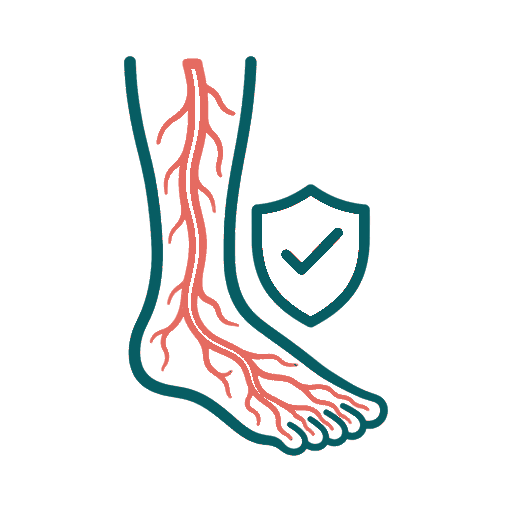
What Is Limb Salvage?
Limb-salvage care brings together vascular assessment, restoration of blood flow, infection control, wound care and pressure management. Early specialist review is important when a diabetic foot wound or gangrene is progressing.
A limb-salvage assessment combines arterial Doppler or angiography, wound and infection review, blood tests and evaluation of pressure points. Angioplasty, bypass, debridement, off-loading and multidisciplinary wound care may be sequenced according to urgency.
Rapidly worsening infection, severe rest pain or spreading blackening needs urgent hospital assessment.
Why Limb Salvage Happens
Limb salvage is coordinated care for a leg or foot threatened by poor arterial flow, infection, tissue loss or a combination of these problems. Diabetes, kidney disease, neuropathy and delayed wound presentation frequently increase complexity.
Who May Be More at Risk?
Rest pain, non-healing ulcers, gangrene, recurrent infection, absent pulses, diabetes, dialysis and tobacco use signal higher risk. The amount of viable tissue, infection severity, anatomy and general health influence whether revascularisation and reconstruction are possible.
Common Signs and Symptoms
- Non-healing foot ulcer
- Rest pain
- Gangrene or blackening
- Recurrent foot infection
How It May Be Evaluated
- Urgent wound and circulation assessment
- Arterial Doppler and angiography
- Infection and diabetes review
- Assessment of tissue viability
Treatment Options
- Angioplasty or bypass
- Infection and wound treatment
- Debridement and pressure off-loading
- Coordinated follow-up
What Can Help Before and After Treatment?
Keep weight off the wound as instructed, maintain dressings, control glucose, stop tobacco and take antibiotics and vascular medicines correctly. Do not soak, heat or cut black tissue at home. Fever, spreading redness, severe rest pain or rapidly increasing blackening requires urgent hospital care.
What Can Happen Without Appropriate Care?
Progressive ischaemia and infection can destroy tissue, cause sepsis and make major amputation unavoidable. Early assessment may preserve more options, but no responsible clinician can promise limb salvage before imaging, infection control and tissue viability are assessed.
Consult Dr. Pragna
Bring previous prescriptions, Doppler scans, angiography reports, wound photographs and details of earlier procedures.
Frequently Asked Questions About Limb Salvage
These common patient questions address diagnosis, risk, treatment and when to seek care.
Limb-salvage care brings together vascular assessment, restoration of blood flow, infection control, wound care and pressure management. Early specialist review is important when a diabetic foot wound or gangrene is progressing.
Common findings may include non-healing foot ulcer, rest pain, gangrene or blackening, recurrent foot infection. Symptoms vary, and some people have advanced disease without a typical presentation.
Limb salvage is coordinated care for a leg or foot threatened by poor arterial flow, infection, tissue loss or a combination of these problems. Diabetes, kidney disease, neuropathy and delayed wound presentation frequently increase complexity.
Rest pain, non-healing ulcers, gangrene, recurrent infection, absent pulses, diabetes, dialysis and tobacco use signal higher risk. The amount of viable tissue, infection severity, anatomy and general health influence whether revascularisation and reconstruction are possible.
Evaluation may include urgent wound and circulation assessment, arterial doppler and angiography, infection and diabetes review, assessment of tissue viability. The exact test is selected after reviewing symptoms, medical history and the vascular examination.
Progressive ischaemia and infection can destroy tissue, cause sepsis and make major amputation unavoidable. Early assessment may preserve more options, but no responsible clinician can promise limb salvage before imaging, infection control and tissue viability are assessed.
Keep weight off the wound as instructed, maintain dressings, control glucose, stop tobacco and take antibiotics and vascular medicines correctly. Do not soak, heat or cut black tissue at home. Fever, spreading redness, severe rest pain or rapidly increasing blackening requires urgent hospital care.
Depending on the diagnosis, options may include angioplasty or bypass, infection and wound treatment, debridement and pressure off-loading, coordinated follow-up. A matching symptom does not automatically make a person suitable for a particular procedure.
Rapidly worsening infection, severe rest pain or spreading blackening needs urgent hospital assessment.
A limb-salvage assessment combines arterial Doppler or angiography, wound and infection review, blood tests and evaluation of pressure points. Angioplasty, bypass, debridement, off-loading and multidisciplinary wound care may be sequenced according to urgency. Also bring a current medicine list and any relevant discharge or procedure records.
Explore Related Conditions and Services
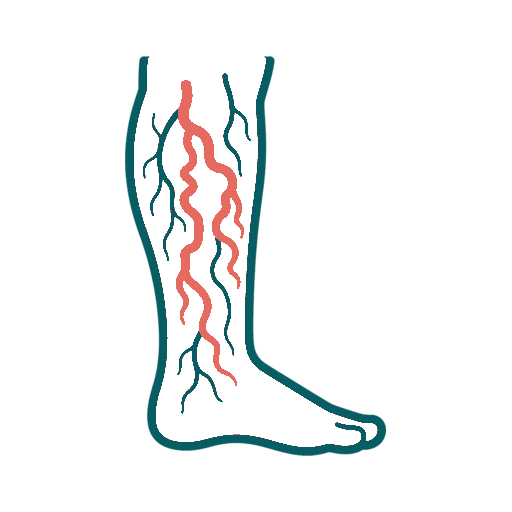
Varicose Veins
Bulging or twisted leg veins that may cause aching, heaviness, itching, cramps or skin changes.
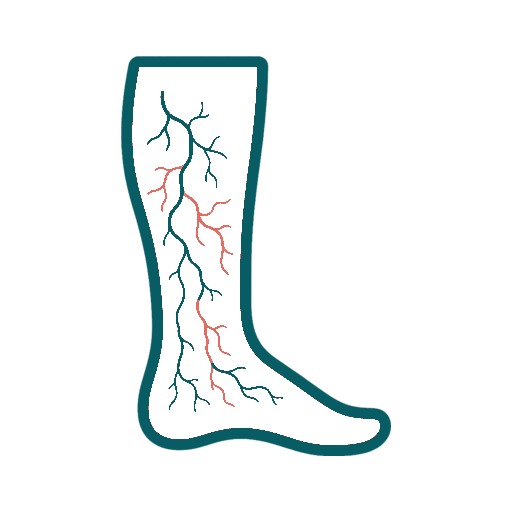
Spider Veins
Fine visible surface veins that may be assessed for cosmetic concerns and underlying venous disease.
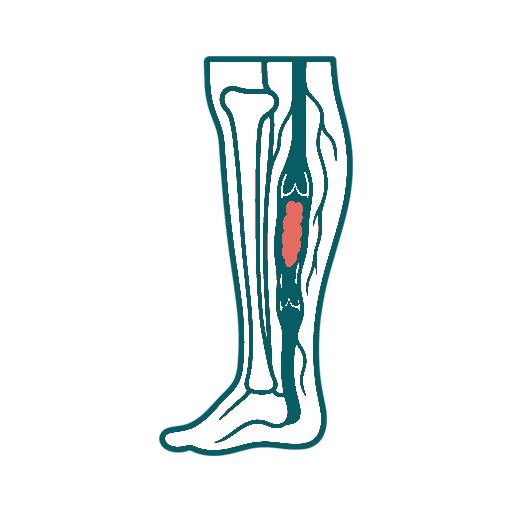
Deep Vein Thrombosis
A blood clot in a deep vein that may cause sudden swelling, pain, tenderness or warmth.
Discuss Limb Salvage With Dr. Pragna
A consultation connects symptoms, examination and imaging before a treatment plan is recommended.
Specialist evaluation and treatment for conditions affecting arteries, veins, circulation, wounds and dialysis access.
Vascular Care
Patient Information
Appointments
Clinic contact details and consultation timings can be added after confirmation.
© 2026 Dr. Pragna Vascular. Privacy Policy · Medical Disclaimer