Consultant Vascular & Endovascular Surgeon • Hyderabad
Vascular Ultrasound
A non-invasive Doppler examination used to assess blood flow in arteries and veins.
What Is Vascular Ultrasound?
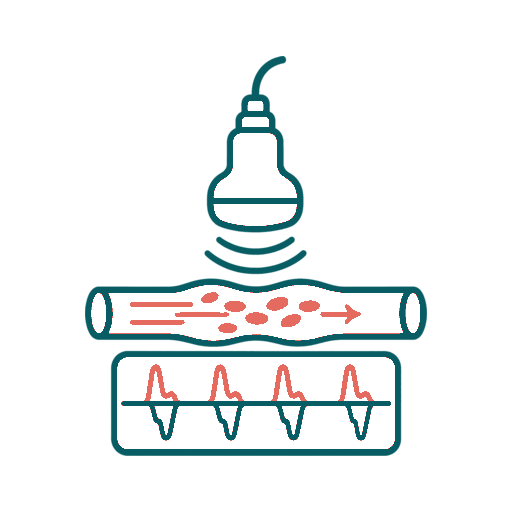
Vascular ultrasound combines conventional imaging with Doppler blood-flow assessment. It can evaluate arterial narrowing, venous reflux, deep vein thrombosis, carotid disease and dialysis access without radiation.
The referring question should state the symptoms, side and suspected disease. Results are most useful when a vascular surgeon correlates waveform and flow findings with pulses, wounds, swelling and the wider medical history.
Why Vascular Ultrasound Happens
Vascular ultrasound is a diagnostic service that uses sound waves and Doppler to show vessel structure and blood flow. It can look for arterial narrowing, DVT, venous reflux, carotid disease and dialysis-access problems without ionising radiation.
Who May Be More at Risk?
There is no radiation exposure, and most scans need no injection. Accuracy depends on the clinical question, the vessels examined and technical factors. A general soft-tissue ultrasound is not a substitute for a dedicated arterial, venous reflux, DVT, carotid or access study.
Common Signs and Symptoms
- Leg pain, swelling or visible veins
- Suspected DVT
- Cold foot or poor pulses
- Dialysis access or carotid assessment
How It May Be Evaluated
- Arterial Doppler
- Venous reflux or DVT scan
- Carotid Doppler
- Dialysis access mapping
Treatment Options
- No radiation
- Usually no injection
- Real-time flow information
- Results interpreted with clinical findings
What Can Help Before and After Treatment?
Follow the preparation instructions for the exact scan. Most limb and carotid Doppler studies require little preparation, while abdominal vascular studies may require fasting. Bring earlier reports for comparison and wear clothing that allows access to the area being examined.
What Can Happen Without Appropriate Care?
The test itself does not treat disease, but delaying appropriate imaging can delay diagnosis of a clot, threatened limb or failing dialysis access. A normal scan also needs interpretation alongside symptoms and examination because not every cause of pain or swelling is vascular.
Consult Dr. Pragna
Bring previous prescriptions, Doppler scans, angiography reports, wound photographs and details of earlier procedures.
Frequently Asked Questions About Vascular Ultrasound
These common patient questions address diagnosis, risk, treatment and when to seek care.
Vascular ultrasound combines conventional imaging with Doppler blood-flow assessment. It can evaluate arterial narrowing, venous reflux, deep vein thrombosis, carotid disease and dialysis access without radiation.
Common findings may include leg pain, swelling or visible veins, suspected dvt, cold foot or poor pulses, dialysis access or carotid assessment. Symptoms vary, and some people have advanced disease without a typical presentation.
Vascular ultrasound is a diagnostic service that uses sound waves and Doppler to show vessel structure and blood flow. It can look for arterial narrowing, DVT, venous reflux, carotid disease and dialysis-access problems without ionising radiation.
There is no radiation exposure, and most scans need no injection. Accuracy depends on the clinical question, the vessels examined and technical factors. A general soft-tissue ultrasound is not a substitute for a dedicated arterial, venous reflux, DVT, carotid or access study.
Evaluation may include arterial doppler, venous reflux or dvt scan, carotid doppler, dialysis access mapping. The exact test is selected after reviewing symptoms, medical history and the vascular examination.
The test itself does not treat disease, but delaying appropriate imaging can delay diagnosis of a clot, threatened limb or failing dialysis access. A normal scan also needs interpretation alongside symptoms and examination because not every cause of pain or swelling is vascular.
Follow the preparation instructions for the exact scan. Most limb and carotid Doppler studies require little preparation, while abdominal vascular studies may require fasting. Bring earlier reports for comparison and wear clothing that allows access to the area being examined.
Depending on the diagnosis, options may include no radiation, usually no injection, real-time flow information, results interpreted with clinical findings. A matching symptom does not automatically make a person suitable for a particular procedure.
Sudden, severe or rapidly worsening symptoms should be assessed urgently rather than through a routine online enquiry.
The referring question should state the symptoms, side and suspected disease. Results are most useful when a vascular surgeon correlates waveform and flow findings with pulses, wounds, swelling and the wider medical history. Also bring a current medicine list and any relevant discharge or procedure records.
Explore Related Conditions and Services

Limb Salvage
Circulation-restoring treatment intended to help protect a threatened limb when clinically appropriate.
Varicose Veins
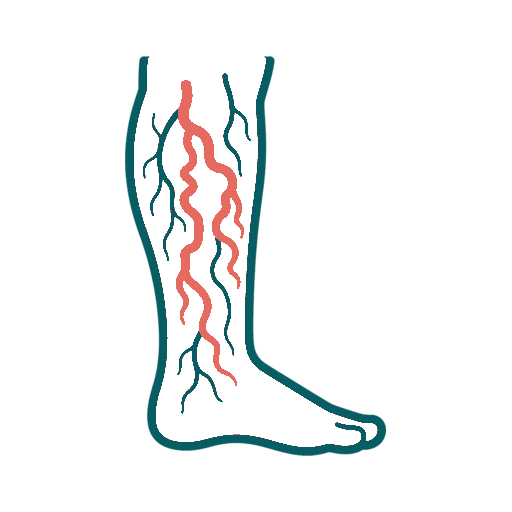
Bulging or twisted leg veins that may cause aching, heaviness, itching, cramps or skin changes.
Spider Veins
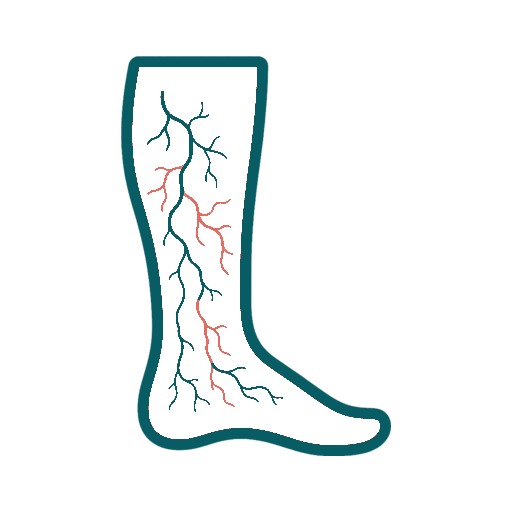
Fine visible surface veins that may be assessed for cosmetic concerns and underlying venous disease.
Discuss Vascular Ultrasound With Dr. Pragna
A consultation connects symptoms, examination and imaging before a treatment plan is recommended.
Specialist evaluation and treatment for conditions affecting arteries, veins, circulation, wounds and dialysis access.
Vascular Care
Patient Information
Appointments
Clinic contact details and consultation timings can be added after confirmation.
© 2026 Dr. Pragna Vascular. Privacy Policy · Medical Disclaimer