Consultant Vascular & Endovascular Surgeon • Hyderabad
Non-Healing Leg Ulcers
Persistent wounds that may be caused by venous disease, arterial disease, diabetes or mixed conditions.
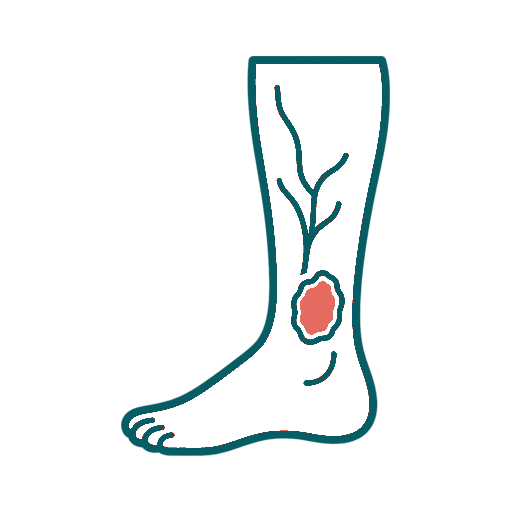
What Is Non-Healing Leg Ulcers?
A leg or foot ulcer that is slow to heal should be assessed for its underlying cause. Treating only the surface wound may not be enough when venous pressure, poor arterial flow, diabetes or infection is present.
A leg-ulcer consultation should include wound duration, earlier cultures and antibiotics, diabetes history, swelling, pulses and previous procedures. Arterial and venous Doppler testing helps determine whether compression, revascularisation, vein treatment or another pathway is appropriate.
Why Non-Healing Leg Ulcers Happens
A non-healing leg ulcer is a sign, not a single diagnosis. Venous hypertension, peripheral artery disease, diabetes, pressure, neuropathy, trauma, inflammation and infection may act alone or together. The position of the wound, surrounding skin, pain pattern and pulse examination provide important clues.
Who May Be More at Risk?
Previous DVT or varicose veins, diabetes, smoking, reduced mobility, leg swelling, arterial disease, neuropathy and recurrent trauma increase risk. Repeated dressing changes without identifying the cause can delay healing when circulation or pressure remains untreated.
Common Signs and Symptoms
- Wound present for several weeks
- Discharge or repeated infection
- Skin pigmentation or swelling
- Pain, coldness or colour change
How It May Be Evaluated
- Wound examination
- Arterial and venous Doppler
- Diabetes and infection review
- Assessment of pressure and footwear
Treatment Options
- Cause-specific wound care
- Compression for suitable venous ulcers
- Blood-flow restoration when required
- Infection and diabetes management
What Can Help Before and After Treatment?
Keep the wound protected with the dressing plan provided, reduce pressure, control glucose, avoid tobacco and maintain nutrition. Do not use tight compression until arterial circulation has been assessed. Sudden worsening pain, fever, spreading redness, foul discharge or black tissue needs prompt review.
What Can Happen Without Appropriate Care?
An ulcer can enlarge, become painful, repeatedly infected or damage deeper tissue. Arterial ulcers may worsen rapidly when blood flow is critically reduced, while venous ulcers often recur unless venous pressure and swelling are controlled. Atypical wounds may require specialist tests or biopsy.
Consult Dr. Pragna
Bring previous prescriptions, Doppler scans, angiography reports, wound photographs and details of earlier procedures.
Frequently Asked Questions About Non-Healing Leg Ulcers
These common patient questions address diagnosis, risk, treatment and when to seek care.
A leg or foot ulcer that is slow to heal should be assessed for its underlying cause. Treating only the surface wound may not be enough when venous pressure, poor arterial flow, diabetes or infection is present.
Common findings may include wound present for several weeks, discharge or repeated infection, skin pigmentation or swelling, pain, coldness or colour change. Symptoms vary, and some people have advanced disease without a typical presentation.
A non-healing leg ulcer is a sign, not a single diagnosis. Venous hypertension, peripheral artery disease, diabetes, pressure, neuropathy, trauma, inflammation and infection may act alone or together. The position of the wound, surrounding skin, pain pattern and pulse examination provide important clues.
Previous DVT or varicose veins, diabetes, smoking, reduced mobility, leg swelling, arterial disease, neuropathy and recurrent trauma increase risk. Repeated dressing changes without identifying the cause can delay healing when circulation or pressure remains untreated.
Evaluation may include wound examination, arterial and venous doppler, diabetes and infection review, assessment of pressure and footwear. The exact test is selected after reviewing symptoms, medical history and the vascular examination.
An ulcer can enlarge, become painful, repeatedly infected or damage deeper tissue. Arterial ulcers may worsen rapidly when blood flow is critically reduced, while venous ulcers often recur unless venous pressure and swelling are controlled. Atypical wounds may require specialist tests or biopsy.
Keep the wound protected with the dressing plan provided, reduce pressure, control glucose, avoid tobacco and maintain nutrition. Do not use tight compression until arterial circulation has been assessed. Sudden worsening pain, fever, spreading redness, foul discharge or black tissue needs prompt review.
Depending on the diagnosis, options may include cause-specific wound care, compression for suitable venous ulcers, blood-flow restoration when required, infection and diabetes management. A matching symptom does not automatically make a person suitable for a particular procedure.
Sudden, severe or rapidly worsening symptoms should be assessed urgently rather than through a routine online enquiry.
A leg-ulcer consultation should include wound duration, earlier cultures and antibiotics, diabetes history, swelling, pulses and previous procedures. Arterial and venous Doppler testing helps determine whether compression, revascularisation, vein treatment or another pathway is appropriate. Also bring a current medicine list and any relevant discharge or procedure records.
Explore Related Conditions and Services
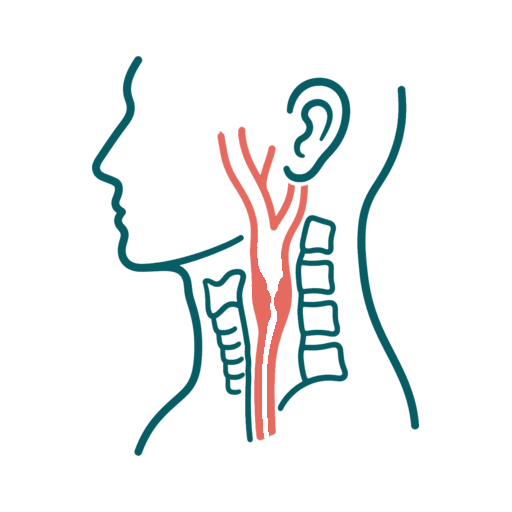
Carotid Artery Disease
Narrowing of the arteries in the neck that may increase the risk of stroke.
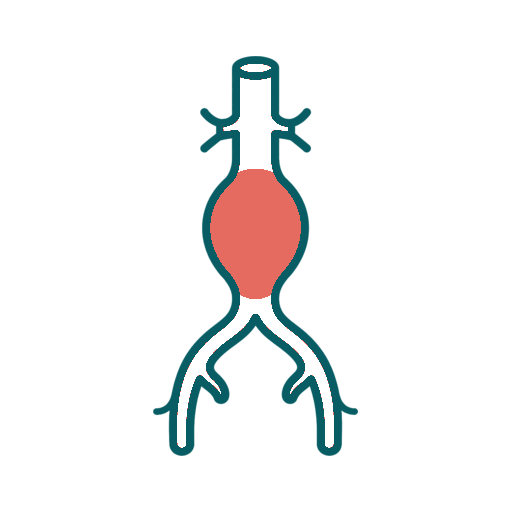
Aortic Aneurysm
Abnormal enlargement of the aorta that may require monitoring or treatment.
Discuss Non-Healing Leg Ulcers With Dr. Pragna
A consultation connects symptoms, examination and imaging before a treatment plan is recommended.

Specialist evaluation and treatment for conditions affecting arteries, veins, circulation, wounds and dialysis access.
Vascular Care
Patient Information
Appointments
Clinic contact details and consultation timings can be added after confirmation.
© 2026 Dr. Pragna Vascular. Privacy Policy · Medical Disclaimer