Consultant Vascular & Endovascular Surgeon • Hyderabad
Thoracic Outlet Syndrome
Compression of nerves or blood vessels between the neck and upper chest.
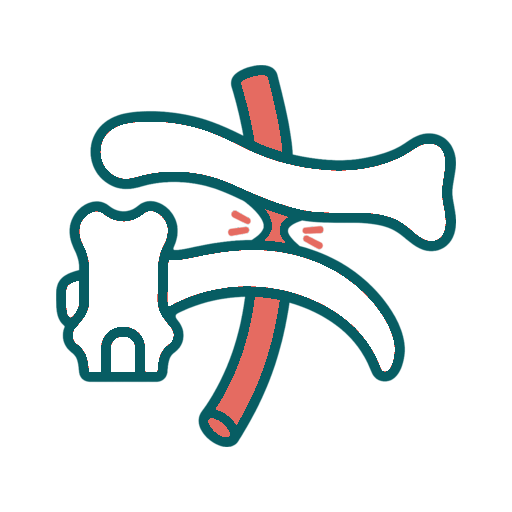
What Is Thoracic Outlet Syndrome?
Thoracic outlet syndrome occurs when structures passing from the neck to the arm are compressed. Vascular forms may affect the subclavian artery or vein and can cause swelling, colour change or circulation problems.
A TOS evaluation includes symptom pattern, positional examination and review of cervical, shoulder and vascular findings. Doppler, CT or MR imaging and nerve studies are selected according to whether the suspected form is venous, arterial or neurogenic.
Why Thoracic Outlet Syndrome Happens
Thoracic outlet syndrome results from compression of nerves, the subclavian vein or the subclavian artery between the neck and upper chest. Anatomy, a cervical rib, repetitive overhead activity, trauma and muscle or posture changes may contribute. Neurogenic, venous and arterial TOS are different conditions.
Who May Be More at Risk?
Athletes and workers with repeated overhead arm use, people with congenital rib or muscle variations and those with previous neck or shoulder trauma may be at higher risk. A swollen blue arm suggests a different vascular pathway from tingling without vascular signs.
Common Signs and Symptoms
- Arm swelling or heaviness
- Colour change or prominent veins
- Coldness or hand fatigue
- Symptoms linked to arm position
How It May Be Evaluated
- Clinical and positional examination
- Vascular Doppler
- CT or MR imaging
- Assessment for venous clot or arterial injury
Treatment Options
- Activity and posture modification
- Physiotherapy for suitable cases
- Anticoagulation when thrombosis is present
- Decompression surgery in selected patients
What Can Help Before and After Treatment?
Modify triggering activity and follow specialist physiotherapy when appropriate. Do not repeatedly provoke severe vascular symptoms for self-testing. Sudden arm swelling, blue colour, hand coldness or loss of pulse needs urgent assessment for clot or arterial compromise.
What Can Happen Without Appropriate Care?
Venous compression can cause effort thrombosis and persistent arm swelling. Arterial compression may injure the artery or reduce hand circulation. Neurogenic symptoms can become limiting, but many shoulder and nerve conditions mimic TOS, so confirmation matters before surgery.
Consult Dr. Pragna
Bring previous prescriptions, Doppler scans, angiography reports, wound photographs and details of earlier procedures.
Frequently Asked Questions About Thoracic Outlet Syndrome
These common patient questions address diagnosis, risk, treatment and when to seek care.
Thoracic outlet syndrome occurs when structures passing from the neck to the arm are compressed. Vascular forms may affect the subclavian artery or vein and can cause swelling, colour change or circulation problems.
Common findings may include arm swelling or heaviness, colour change or prominent veins, coldness or hand fatigue, symptoms linked to arm position. Symptoms vary, and some people have advanced disease without a typical presentation.
Thoracic outlet syndrome results from compression of nerves, the subclavian vein or the subclavian artery between the neck and upper chest. Anatomy, a cervical rib, repetitive overhead activity, trauma and muscle or posture changes may contribute. Neurogenic, venous and arterial TOS are different conditions.
Athletes and workers with repeated overhead arm use, people with congenital rib or muscle variations and those with previous neck or shoulder trauma may be at higher risk. A swollen blue arm suggests a different vascular pathway from tingling without vascular signs.
Evaluation may include clinical and positional examination, vascular doppler, ct or mr imaging, assessment for venous clot or arterial injury. The exact test is selected after reviewing symptoms, medical history and the vascular examination.
Venous compression can cause effort thrombosis and persistent arm swelling. Arterial compression may injure the artery or reduce hand circulation. Neurogenic symptoms can become limiting, but many shoulder and nerve conditions mimic TOS, so confirmation matters before surgery.
Modify triggering activity and follow specialist physiotherapy when appropriate. Do not repeatedly provoke severe vascular symptoms for self-testing. Sudden arm swelling, blue colour, hand coldness or loss of pulse needs urgent assessment for clot or arterial compromise.
Depending on the diagnosis, options may include activity and posture modification, physiotherapy for suitable cases, anticoagulation when thrombosis is present, decompression surgery in selected patients. A matching symptom does not automatically make a person suitable for a particular procedure.
Sudden, severe or rapidly worsening symptoms should be assessed urgently rather than through a routine online enquiry.
A TOS evaluation includes symptom pattern, positional examination and review of cervical, shoulder and vascular findings. Doppler, CT or MR imaging and nerve studies are selected according to whether the suspected form is venous, arterial or neurogenic. Also bring a current medicine list and any relevant discharge or procedure records.
Explore Related Conditions and Services
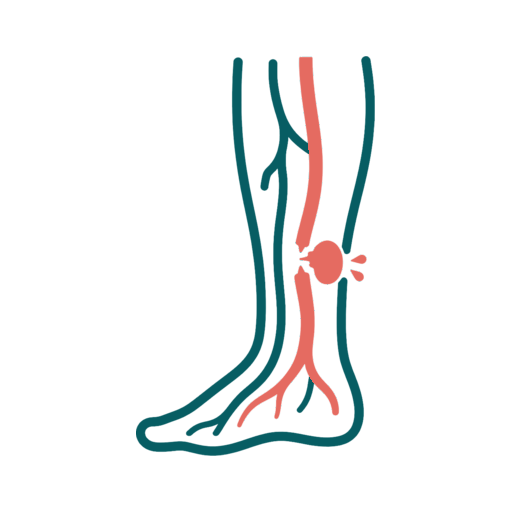
Vascular Trauma
Injury to an artery or vein that may require urgent vascular evaluation and repair.

Blood Clots
Assessment of abnormal clot formation affecting venous or arterial circulation.
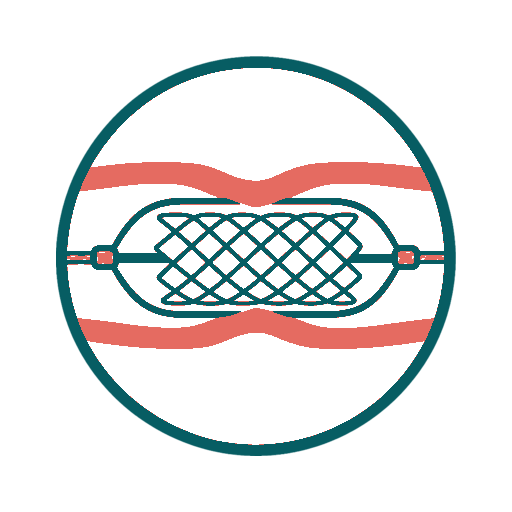
Angioplasty & Stenting
A minimally invasive option used in selected patients to improve blood flow through narrowed arteries.
Discuss Thoracic Outlet Syndrome With Dr. Pragna
A consultation connects symptoms, examination and imaging before a treatment plan is recommended.
Specialist evaluation and treatment for conditions affecting arteries, veins, circulation, wounds and dialysis access.
Vascular Care
Patient Information
Appointments
Clinic contact details and consultation timings can be added after confirmation.
© 2026 Dr. Pragna Vascular. Privacy Policy · Medical Disclaimer