Consultant Vascular & Endovascular Surgeon • Hyderabad
Dialysis Access
Assessment, creation and management of AV fistula and other dialysis-access problems.
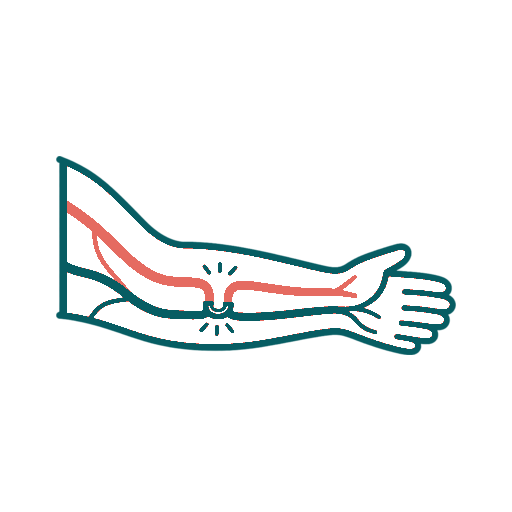
What Is Dialysis Access?
Reliable dialysis access is essential for haemodialysis. Vascular care includes planning a new AV fistula, checking maturation and treating narrowing, blockage, swelling or prolonged bleeding.
Bring the dialysis flow records, access history, recent Doppler or fistulogram and dates of catheter or fistula procedures. Examination and vessel mapping help plan AV fistula creation, angioplasty, thrombectomy, revision or alternative access.
Uncontrolled fistula bleeding requires direct pressure and immediate emergency care.
Why Dialysis Access Happens
Dialysis access problems may arise when an AV fistula does not mature, develops narrowing, clots, produces excessive flow or causes venous pressure and arm swelling. Repeated needle access, vessel quality and the location of central venous catheters can influence long-term function.
Who May Be More at Risk?
Small or diseased vessels, diabetes, low blood pressure, previous catheters, central-vein narrowing, repeated access procedures and missed surveillance can increase the chance of dysfunction. Early planning before dialysis may preserve better access options.
Common Signs and Symptoms
- Weak or absent fistula thrill
- Arm swelling
- Prolonged bleeding
- Poor dialysis flows or access failure
How It May Be Evaluated
- Access examination
- Vessel mapping
- Access Doppler
- Fistulogram when appropriate
Treatment Options
- AV fistula creation
- Angioplasty for narrowing
- Thrombectomy or access salvage
- Revision or new access planning
What Can Help Before and After Treatment?
Check the fistula thrill every day, keep the arm clean, avoid tight clothing and blood-pressure cuffs over the access, and report prolonged bleeding, swelling, pain, colour change or reduced dialysis flow. Follow the dialysis unit's needle and wound-care instructions.
What Can Happen Without Appropriate Care?
Progressive narrowing can reduce dialysis adequacy and eventually cause thrombosis or access loss. High flow or steal can affect the hand or heart in selected patients. Uncontrolled bleeding is an emergency, while a missing thrill should be reported urgently because salvage can be time-sensitive.
Consult Dr. Pragna
Bring previous prescriptions, Doppler scans, angiography reports, wound photographs and details of earlier procedures.
Frequently Asked Questions About Dialysis Access
These common patient questions address diagnosis, risk, treatment and when to seek care.
Reliable dialysis access is essential for haemodialysis. Vascular care includes planning a new AV fistula, checking maturation and treating narrowing, blockage, swelling or prolonged bleeding.
Common findings may include weak or absent fistula thrill, arm swelling, prolonged bleeding, poor dialysis flows or access failure. Symptoms vary, and some people have advanced disease without a typical presentation.
Dialysis access problems may arise when an AV fistula does not mature, develops narrowing, clots, produces excessive flow or causes venous pressure and arm swelling. Repeated needle access, vessel quality and the location of central venous catheters can influence long-term function.
Small or diseased vessels, diabetes, low blood pressure, previous catheters, central-vein narrowing, repeated access procedures and missed surveillance can increase the chance of dysfunction. Early planning before dialysis may preserve better access options.
Evaluation may include access examination, vessel mapping, access doppler, fistulogram when appropriate. The exact test is selected after reviewing symptoms, medical history and the vascular examination.
Progressive narrowing can reduce dialysis adequacy and eventually cause thrombosis or access loss. High flow or steal can affect the hand or heart in selected patients. Uncontrolled bleeding is an emergency, while a missing thrill should be reported urgently because salvage can be time-sensitive.
Check the fistula thrill every day, keep the arm clean, avoid tight clothing and blood-pressure cuffs over the access, and report prolonged bleeding, swelling, pain, colour change or reduced dialysis flow. Follow the dialysis unit's needle and wound-care instructions.
Depending on the diagnosis, options may include av fistula creation, angioplasty for narrowing, thrombectomy or access salvage, revision or new access planning. A matching symptom does not automatically make a person suitable for a particular procedure.
Uncontrolled fistula bleeding requires direct pressure and immediate emergency care.
Bring the dialysis flow records, access history, recent Doppler or fistulogram and dates of catheter or fistula procedures. Examination and vessel mapping help plan AV fistula creation, angioplasty, thrombectomy, revision or alternative access. Also bring a current medicine list and any relevant discharge or procedure records.
Explore Related Conditions and Services
Varicocele
Enlarged veins around the testicle that may cause discomfort or fertility concerns.

Thoracic Outlet Syndrome
Compression of nerves or blood vessels between the neck and upper chest.
Discuss Dialysis Access With Dr. Pragna
A consultation connects symptoms, examination and imaging before a treatment plan is recommended.

Specialist evaluation and treatment for conditions affecting arteries, veins, circulation, wounds and dialysis access.
Vascular Care
Patient Information
Appointments
Clinic contact details and consultation timings can be added after confirmation.
© 2026 Dr. Pragna Vascular. Privacy Policy · Medical Disclaimer