Consultant Vascular & Endovascular Surgeon • Hyderabad
Varicose Veins
Bulging or twisted leg veins that may cause aching, heaviness, itching, cramps or skin changes.
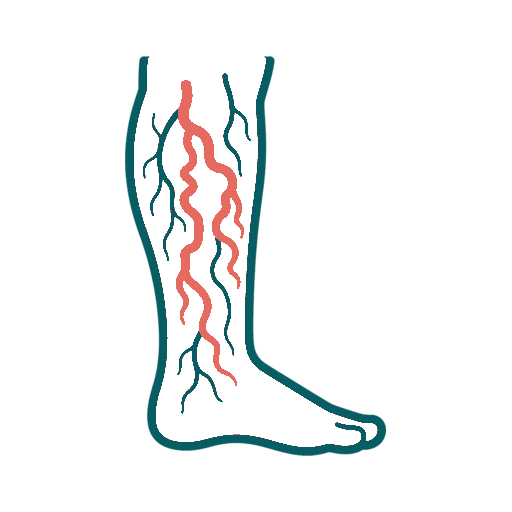
What Is Varicose Veins?
Varicose veins develop when valves inside superficial leg veins do not move blood efficiently. A vascular assessment helps distinguish visible veins from underlying venous reflux and guides treatment according to symptoms, scan findings and patient preference.
A varicose veins consultation in Hyderabad should connect the visible veins with the underlying venous map. Bring details of earlier injections, laser treatment, pregnancy-related symptoms, compression use and any previous Doppler report.
Why Varicose Veins Happens
Varicose veins usually develop when one-way valves in the superficial leg veins weaken or fail to close properly. Blood then falls backward with gravity, increasing pressure and enlarging the vein. Family history, pregnancy, increasing age, excess weight and long hours of standing can make venous reflux more likely, although active people can also develop it.
Who May Be More at Risk?
Risk is higher with a family history of vein disease, previous pregnancy, obesity, advancing age, a history of leg injury or clot, and work that involves prolonged standing or sitting. These factors do not prove that a person has venous reflux, which is why a clinical examination and venous Doppler are useful before planning treatment.
Common Signs and Symptoms
- Visible, enlarged or twisted veins
- Leg heaviness or aching
- Night cramps or itching
- Ankle swelling or skin pigmentation
How It May Be Evaluated
- Clinical vascular examination
- Venous Doppler ultrasound
- Review of previous vein treatment
- Assessment for ulcers or skin changes
Treatment Options
- Compression and lifestyle measures
- Endovenous laser or radiofrequency treatment
- Sclerotherapy
- Phlebectomy in selected patients
What Can Help Before and After Treatment?
Walking, weight management, avoiding long periods in one position, leg elevation and correctly fitted compression may reduce symptoms. These measures do not remove established reflux in every patient, so persistent pain, swelling or skin changes still deserve assessment.
What Can Happen Without Appropriate Care?
Some varicose veins remain mainly a visible concern, while others progress to persistent aching, ankle swelling, itching, pigmentation, hardening of the skin, superficial thrombophlebitis, bleeding or a venous ulcer. Progression is not identical for everyone, but new skin changes or wounds should not be ignored.
Consult Dr. Pragna
Bring previous prescriptions, Doppler scans, angiography reports, wound photographs and details of earlier procedures.
Frequently Asked Questions About Varicose Veins
These common patient questions address diagnosis, risk, treatment and when to seek care.
Varicose veins develop when valves inside superficial leg veins do not move blood efficiently. A vascular assessment helps distinguish visible veins from underlying venous reflux and guides treatment according to symptoms, scan findings and patient preference.
Common findings may include visible, enlarged or twisted veins, leg heaviness or aching, night cramps or itching, ankle swelling or skin pigmentation. Symptoms vary, and some people have advanced disease without a typical presentation.
Varicose veins usually develop when one-way valves in the superficial leg veins weaken or fail to close properly. Blood then falls backward with gravity, increasing pressure and enlarging the vein. Family history, pregnancy, increasing age, excess weight and long hours of standing can make venous reflux more likely, although active people can also develop it.
Risk is higher with a family history of vein disease, previous pregnancy, obesity, advancing age, a history of leg injury or clot, and work that involves prolonged standing or sitting. These factors do not prove that a person has venous reflux, which is why a clinical examination and venous Doppler are useful before planning treatment.
Evaluation may include clinical vascular examination, venous doppler ultrasound, review of previous vein treatment, assessment for ulcers or skin changes. The exact test is selected after reviewing symptoms, medical history and the vascular examination.
Some varicose veins remain mainly a visible concern, while others progress to persistent aching, ankle swelling, itching, pigmentation, hardening of the skin, superficial thrombophlebitis, bleeding or a venous ulcer. Progression is not identical for everyone, but new skin changes or wounds should not be ignored.
Walking, weight management, avoiding long periods in one position, leg elevation and correctly fitted compression may reduce symptoms. These measures do not remove established reflux in every patient, so persistent pain, swelling or skin changes still deserve assessment.
Depending on the diagnosis, options may include compression and lifestyle measures, endovenous laser or radiofrequency treatment, sclerotherapy, phlebectomy in selected patients. A matching symptom does not automatically make a person suitable for a particular procedure.
Sudden, severe or rapidly worsening symptoms should be assessed urgently rather than through a routine online enquiry.
A varicose veins consultation in Hyderabad should connect the visible veins with the underlying venous map. Bring details of earlier injections, laser treatment, pregnancy-related symptoms, compression use and any previous Doppler report. Also bring a current medicine list and any relevant discharge or procedure records.
Explore Related Conditions and Services
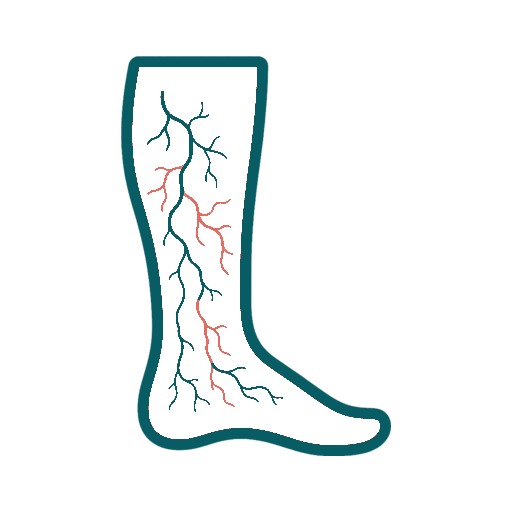
Spider Veins
Fine visible surface veins that may be assessed for cosmetic concerns and underlying venous disease.
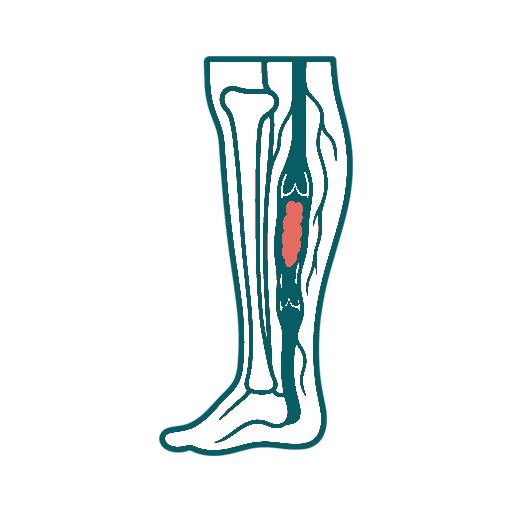
Deep Vein Thrombosis
A blood clot in a deep vein that may cause sudden swelling, pain, tenderness or warmth.
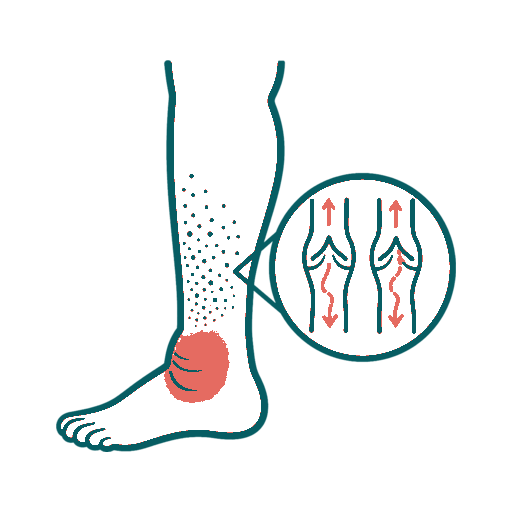
Chronic Venous Insufficiency
Poor venous return that may lead to swelling, pigmentation, skin changes and leg ulcers.
Discuss Varicose Veins With Dr. Pragna
A consultation connects symptoms, examination and imaging before a treatment plan is recommended.
Specialist evaluation and treatment for conditions affecting arteries, veins, circulation, wounds and dialysis access.
Vascular Care
Patient Information
Appointments
Clinic contact details and consultation timings can be added after confirmation.
© 2026 Dr. Pragna Vascular. Privacy Policy · Medical Disclaimer