Consultant Vascular & Endovascular Surgeon • Hyderabad
Spider Veins
Fine visible surface veins that may be assessed for cosmetic concerns and underlying venous disease.
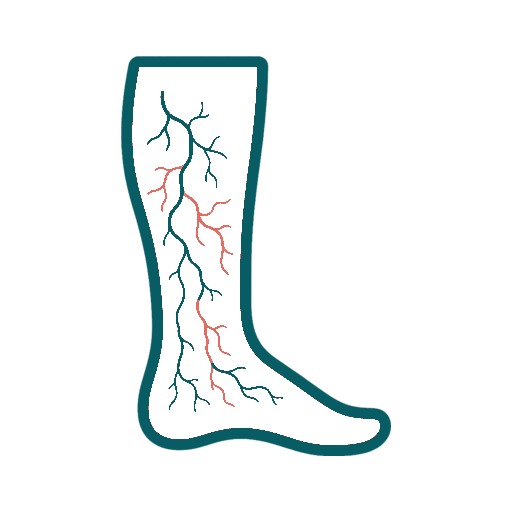
What Is Spider Veins?
Spider veins are small red, blue or purple surface vessels. They are often cosmetic, but pain, swelling or associated varicose veins may indicate a deeper venous issue that should be checked before treatment.
A spider vein assessment should clarify whether treatment is cosmetic or whether symptoms suggest venous reflux. A Doppler is not required for every small surface vein, but it may be recommended when there is swelling, aching, recurrent veins or associated varicose veins.
Why Spider Veins Happens
Spider veins, also called telangiectasias, are tiny widened vessels close to the skin. Genetics, hormonal changes, pregnancy, age and local pressure can contribute. On the legs they may occur alone, but clusters around the ankle or alongside bulging veins can sometimes be associated with deeper superficial-vein reflux.
Who May Be More at Risk?
A family history of visible veins, pregnancy, hormone exposure, prolonged standing and previous vein disease can increase the chance of spider veins. Facial spider veins and leg spider veins may have different triggers, so the location, symptoms and surrounding skin are considered during evaluation.
Common Signs and Symptoms
- Fine web-like surface veins
- Local burning or itching
- Associated visible varicose veins
- Leg heaviness or swelling
How It May Be Evaluated
- Clinical examination
- Venous Doppler when symptoms suggest reflux
- Skin assessment
- Discussion of cosmetic expectations
Treatment Options
- Observation when asymptomatic
- Sclerotherapy
- Treatment of underlying reflux when present
- Compression after selected procedures
What Can Help Before and After Treatment?
Regular movement, sun protection for facial vessels, weight management and avoiding prolonged immobility may support vascular health, but established spider veins generally do not disappear through exercise or creams. Compression may be advised around selected leg-vein procedures.
What Can Happen Without Appropriate Care?
Most isolated spider veins are not dangerous and may remain a cosmetic concern. However, untreated underlying reflux can allow more visible veins, aching, swelling or skin changes to develop. Rapidly appearing vessels, bleeding, significant pain or associated swelling warrant medical review rather than purely cosmetic treatment.
Consult Dr. Pragna
Bring previous prescriptions, Doppler scans, angiography reports, wound photographs and details of earlier procedures.
Frequently Asked Questions About Spider Veins
These common patient questions address diagnosis, risk, treatment and when to seek care.
Spider veins are small red, blue or purple surface vessels. They are often cosmetic, but pain, swelling or associated varicose veins may indicate a deeper venous issue that should be checked before treatment.
Common findings may include fine web-like surface veins, local burning or itching, associated visible varicose veins, leg heaviness or swelling. Symptoms vary, and some people have advanced disease without a typical presentation.
Spider veins, also called telangiectasias, are tiny widened vessels close to the skin. Genetics, hormonal changes, pregnancy, age and local pressure can contribute. On the legs they may occur alone, but clusters around the ankle or alongside bulging veins can sometimes be associated with deeper superficial-vein reflux.
A family history of visible veins, pregnancy, hormone exposure, prolonged standing and previous vein disease can increase the chance of spider veins. Facial spider veins and leg spider veins may have different triggers, so the location, symptoms and surrounding skin are considered during evaluation.
Evaluation may include clinical examination, venous doppler when symptoms suggest reflux, skin assessment, discussion of cosmetic expectations. The exact test is selected after reviewing symptoms, medical history and the vascular examination.
Most isolated spider veins are not dangerous and may remain a cosmetic concern. However, untreated underlying reflux can allow more visible veins, aching, swelling or skin changes to develop. Rapidly appearing vessels, bleeding, significant pain or associated swelling warrant medical review rather than purely cosmetic treatment.
Regular movement, sun protection for facial vessels, weight management and avoiding prolonged immobility may support vascular health, but established spider veins generally do not disappear through exercise or creams. Compression may be advised around selected leg-vein procedures.
Depending on the diagnosis, options may include observation when asymptomatic, sclerotherapy, treatment of underlying reflux when present, compression after selected procedures. A matching symptom does not automatically make a person suitable for a particular procedure.
Sudden, severe or rapidly worsening symptoms should be assessed urgently rather than through a routine online enquiry.
A spider vein assessment should clarify whether treatment is cosmetic or whether symptoms suggest venous reflux. A Doppler is not required for every small surface vein, but it may be recommended when there is swelling, aching, recurrent veins or associated varicose veins. Also bring a current medicine list and any relevant discharge or procedure records.
Explore Related Conditions and Services
Deep Vein Thrombosis
A blood clot in a deep vein that may cause sudden swelling, pain, tenderness or warmth.
Chronic Venous Insufficiency
Poor venous return that may lead to swelling, pigmentation, skin changes and leg ulcers.
Peripheral Artery Disease
Reduced blood flow to the limbs that may cause walking pain, cold feet or non-healing wounds.
Discuss Spider Veins With Dr. Pragna
A consultation connects symptoms, examination and imaging before a treatment plan is recommended.

Specialist evaluation and treatment for conditions affecting arteries, veins, circulation, wounds and dialysis access.
Vascular Care
Patient Information
Appointments
Clinic contact details and consultation timings can be added after confirmation.
© 2026 Dr. Pragna Vascular. Privacy Policy · Medical Disclaimer